
If you feel like your body has changed in your thirties and forties, you’re not imagining it! 💪
Many women notice that their energy, muscle tone, and metabolism feel different than they did in their twenties. You might feel softer, less strong, or like your clothes fit differently even if your habits haven’t changed very much.
Here’s what’s actually happening. Most of us naturally lose muscle over time if we’re not regularly challenging it. And muscle? It’s not just about looking toned. It’s active tissue that helps you move, carry groceries, climb stairs, and keep your joints supported. It also plays a huge role in your metabolism, which is basically how your body uses energy throughout the day.
How Muscle, Metabolism, and Hormones Shift With Age
As you move through your thirties and beyond, a few things tend to happen that nobody really warns you about.
Your body may slowly lose lean muscle if you’re not strength training. Research shows we can lose 3-8% of muscle mass per decade after 30, and that loss accelerates as we age.
Your resting metabolism can decrease, which means your body uses a little less energy at rest than it used to.
Hormones related to stress, sleep, and your menstrual cycle can shift, which affects how you feel in your workouts and your daily life. Your natural production of anabolic hormones like testosterone and growth hormone starts to decline too.
But here’s the good news! 🎉 This doesn’t mean you’re stuck. It simply means that intentional strength training becomes even more valuable. Building and maintaining muscle can help you feel stronger and more capable in everyday life, support healthy bones and joints, improve balance and stability, and support a steadier metabolism over time.
Why Strength Training Is One of the Best Investments You Can Make
Look, cardio has amazing benefits and it still matters. But strength training gives you something extra. It literally changes the way your body is built and how it functions!
When you add strength training to your week, you’re not just burning calories in the moment. You’re teaching your body how to move, balance, and generate force. You’re also building a reserve of strength that supports you through busy seasons, stress, and aging. Plus, strength training increases your metabolic rate for up to 72 hours after exercise, meaning you continue burning calories for days.
The best part? You don’t need a gym membership or complicated machines. You can start with your own body weight and a small amount of equipment at home. A simple beginner dumbbell set is honestly all you need to get going.
Common Fears and Myths That Keep Women From Lifting
Even when women know strength training is important, it’s easy to feel stuck. You’re not lazy! You probably have a few very normal fears or beliefs getting in your way.
Fear of “Bulking Up”
One of the most common fears is that lifting weights will make you look bulky or less feminine. Let’s bust this myth right now! 🚫
In reality, building a large amount of muscle takes a specific combination of heavy training, high volume, years of consistency, and a food intake that supports big muscle growth. Beginner strength training at home is not going to suddenly change your body into something you don’t recognize.
What you’re more likely to notice is better posture and joint support, more shape in your arms, legs, and glutes, and a feeling of being solid and strong rather than fragile.
Feeling Too Out of Shape to Start
You might think you need to “get in shape” with cardio first before you earn your way to strength training. This is one of the biggest myths out there!
The truth? Strength work is a powerful way to build that base. You can start right where you are, using movements that match your current level. Sitting down and standing up from a chair is a squat. Pressing against a wall is a push-up. Holding a plank on your knees is still real core work.
You don’t have to wait to be stronger before you start. You get stronger BY starting. 💥
Worrying About Doing It “Wrong” or Getting Hurt
Another common fear is not knowing what to do or how to do it safely. This is very understandable if you didn’t grow up lifting or haven’t had much coaching!
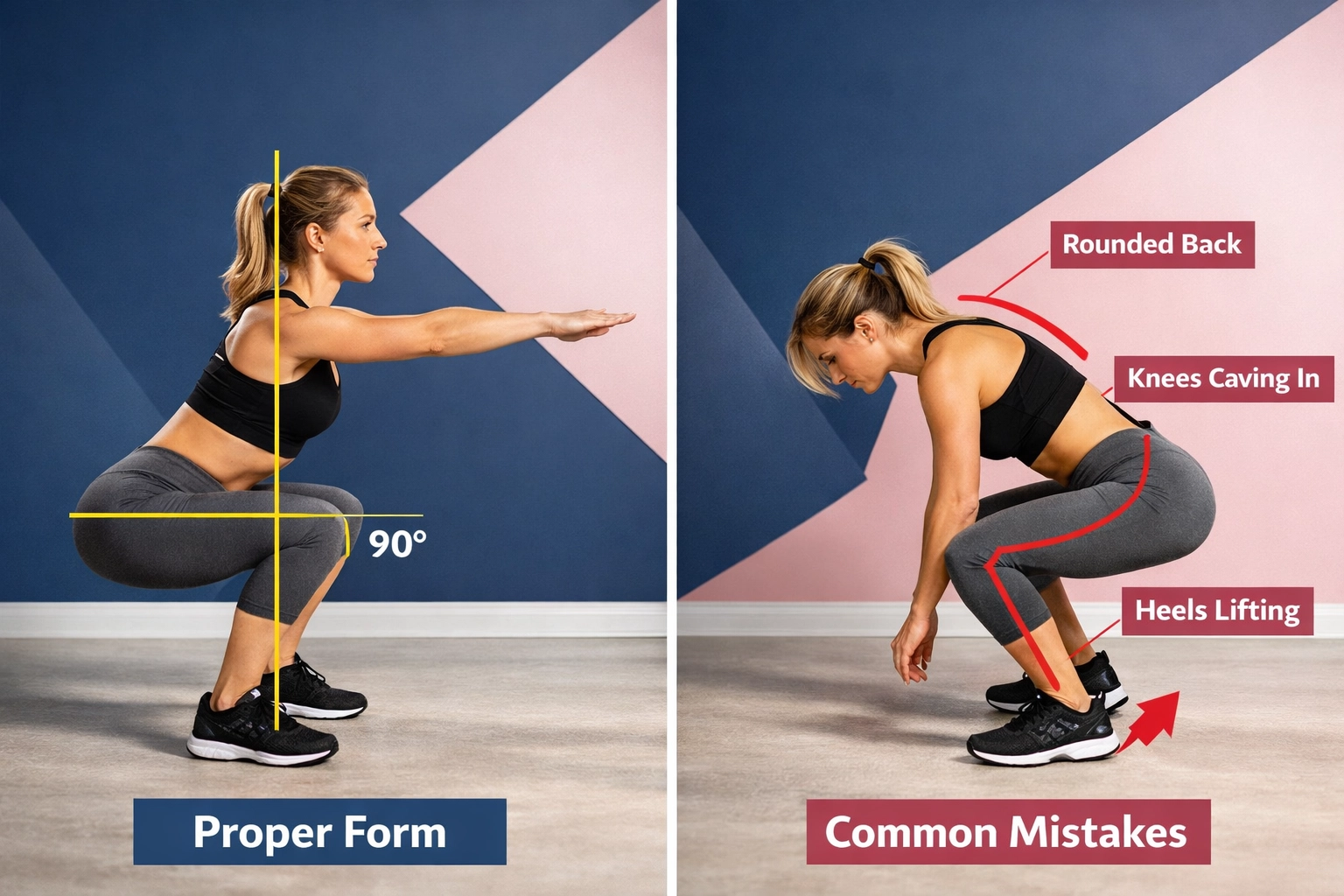
The goal with beginner strength training isn’t perfection. It’s progress with good enough form and smart choices. You’ll learn to move through a comfortable range of motion, keep good alignment in your joints, and stop sets before your form falls apart.
With a gentle pace and attention to how your body feels, strength training can actually help you feel more stable and protected, not more at risk.
What You Actually Need to Get Started at Home
It’s easy to think you need a full home gym, but you can start with much less.
Space, Equipment, and Time Requirements
Here’s what you really need:
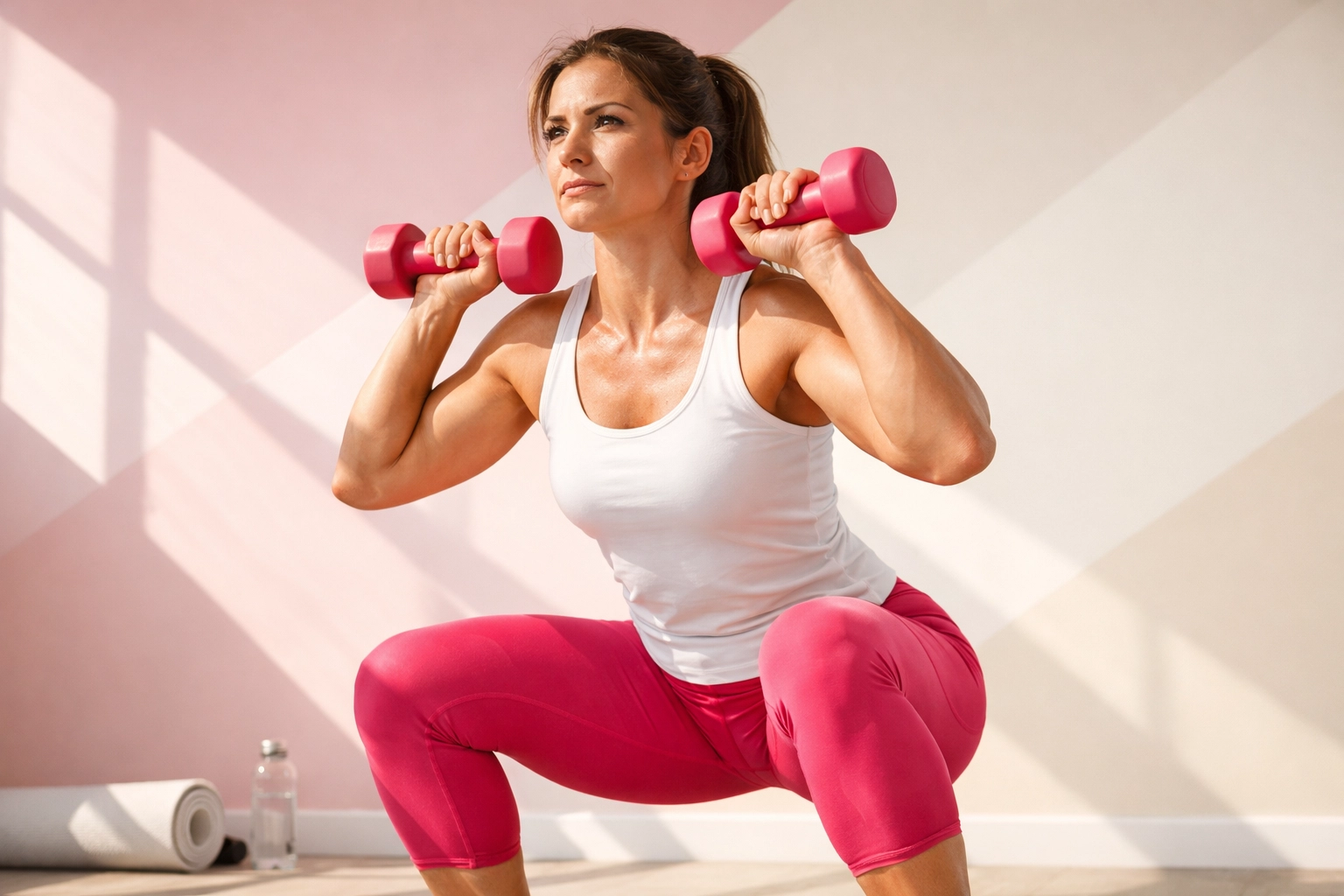
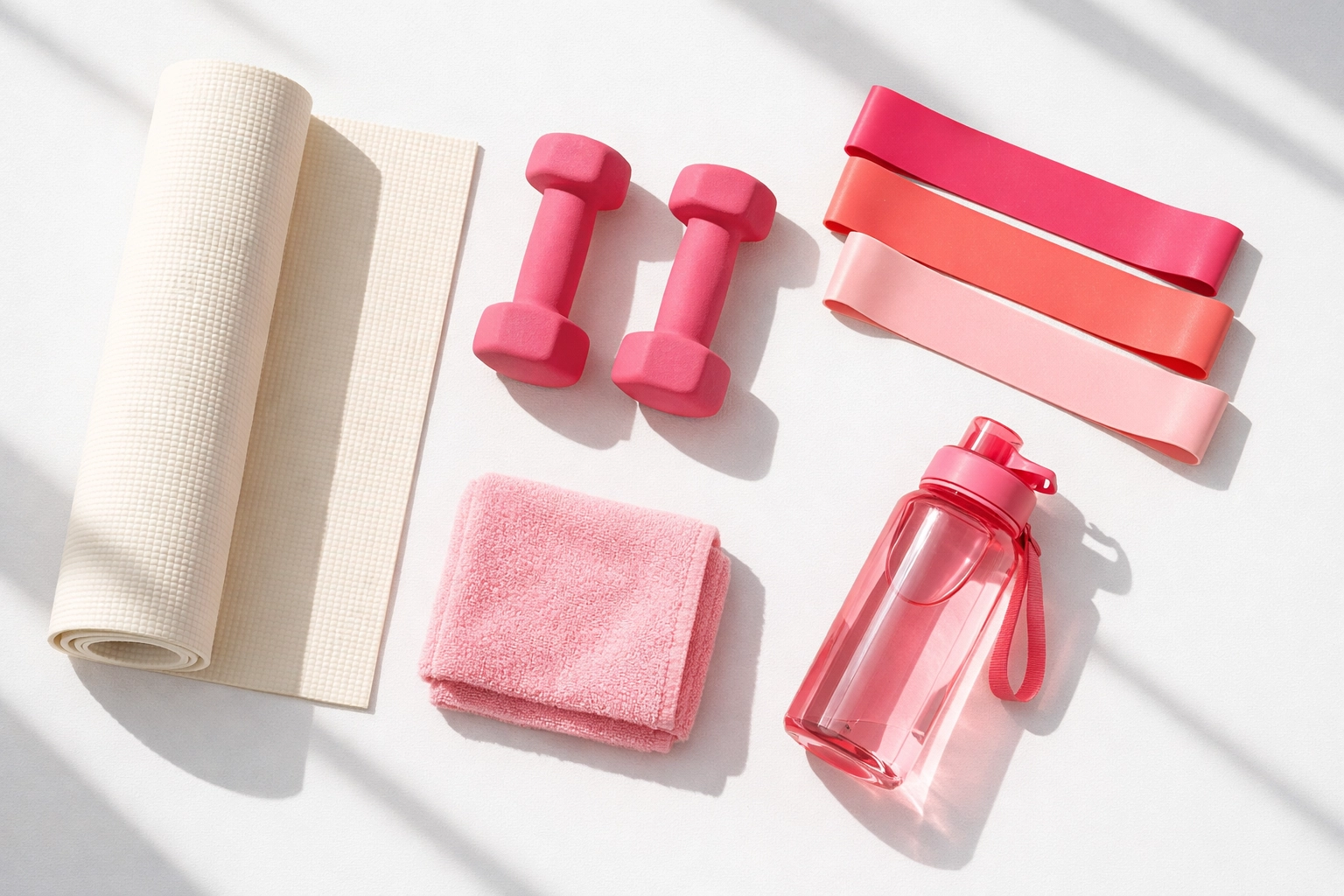
A clear space about the size of a yoga mat. A sturdy chair or bench for support. A pair of light to moderate dumbbells, or even filled water bottles or a backpack with books to start. Comfortable clothes and shoes.
For time, start with two or three sessions per week. Each can be 20 to 30 minutes. That’s enough to build strength as a beginner! If you want to level up later, an adjustable bench is great for expanding your exercise options.
How to Choose Beginner-Friendly Weights
If you’re brand new, it’s okay to start with very light weights or even no added weight. The goal is to learn the movements first!
A simple guideline: Choose a weight you can lift with good form for 10 to 15 reps. The last 2 to 3 reps should feel challenging but not painful. You should still be able to breathe and control the movement.
If you could keep going forever, the weight is probably too light. If you can’t reach 8 reps with control, it’s probably too heavy for now.
Beginner Strength Training Principles in Simple Language
You don’t need to memorize complex rules. A few key ideas can keep you safe and progressing!
Form First, Then Load
Before you worry about lifting heavier, focus on how you move. Keep your feet planted and your core gently engaged. Move with control, not momentum. Stop a set if you feel sharp pain or your form breaks down.
Once a movement feels smooth and steady, you can slowly add more weight or more reps.
Full Body Focus and Movement Patterns
Instead of thinking about tiny muscles, think about how your body moves.
Helpful patterns include: Squat (bending at hips and knees to sit and stand), Hinge (tipping forward at the hips with a neutral spine), Push (like push-ups or overhead presses), Pull (like rows), and Carry (holding weight while you walk or stand).
A beginner session that touches several of these patterns will give you a lot of benefit in a short amount of time.
How Often to Train and How Hard to Work
Most beginners do well with two or three strength sessions per week, at least one rest or light movement day between strength days for recovery, and working at a moderate effort where you could say a short sentence but not sing.
You don’t need to crush yourself to make progress. Steady, repeatable effort wins! 🏆
Sample Beginner At-Home Strength Workouts
Use these as templates and adjust reps, sets, and weights based on your current level and how you feel.
Two-Day Per Week Full Body Plan
Day A
- Squats to a chair (3 sets of 10-12 reps)
- Incline push-ups on a counter or wall (3 sets of 8-10 reps)
- Bent over dumbbell rows (3 sets of 10-12 reps)
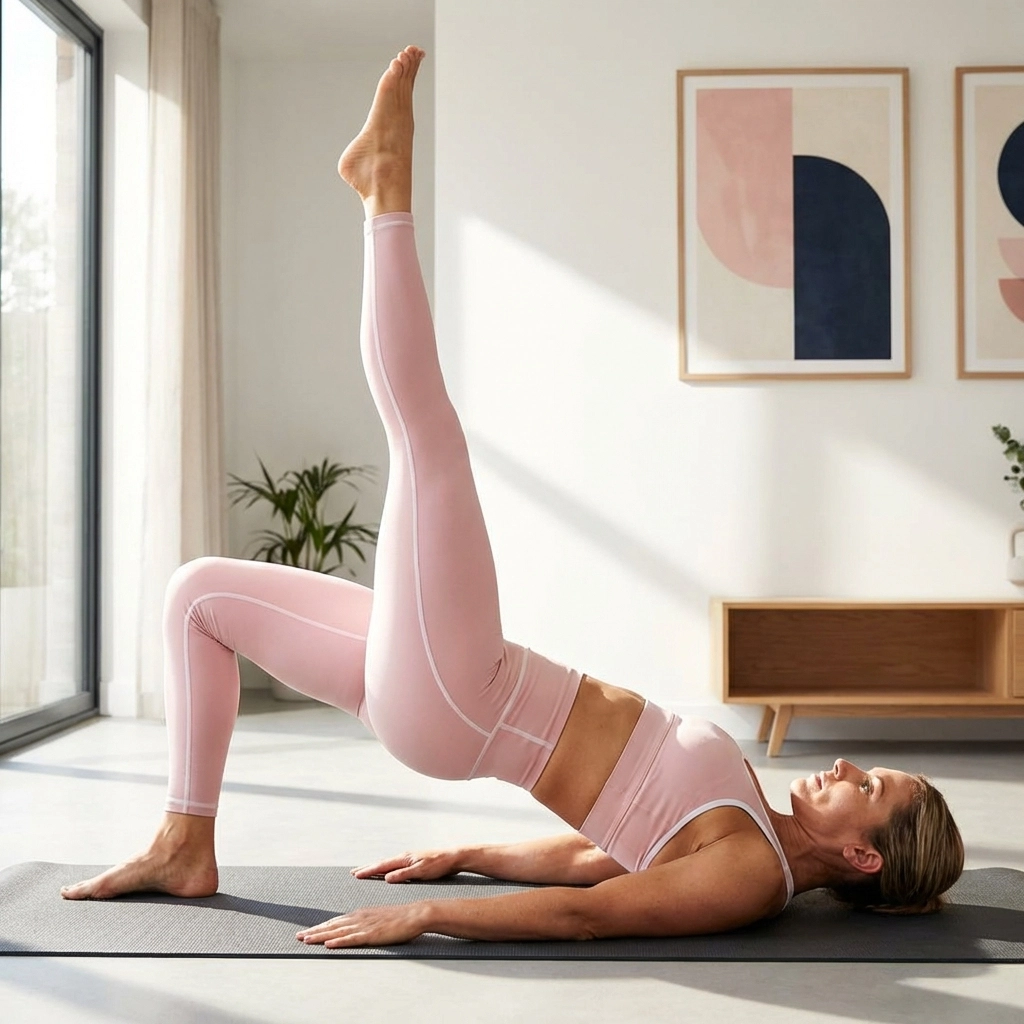
- Glute bridges on the floor (3 sets of 10-12 reps)
Day B
- Reverse lunges or step backs, holding on to a chair if needed (3 sets of 8-10 reps per leg)
- Overhead press with light dumbbells (3 sets of 8-10 reps)
- Hip hinge with dumbbells or a backpack (3 sets of 10-12 reps)
- Dead bug or another gentle core exercise (3 sets of 8-10 reps per side)
Rest 60 to 90 seconds between sets. Move at a pace where you feel challenged but not rushed!
Three-Day Per Week Split Option
If you prefer shorter, more frequent sessions, try this:
Day 1 – Lower Body Focus
- Squats or sit to stand (3 sets of 10-12 reps)
- Glute bridges or hip thrusts (3 sets of 10-12 reps)
- Step-ups onto a low step (3 sets of 8-10 reps per leg)
Day 2 – Upper Body Focus
- Incline push-ups (3 sets of 8-10 reps)
- Rows with dumbbells or a band (3 sets of 10-12 reps)
- Overhead press (3 sets of 8-10 reps)
Day 3 – Full Body and Core
- Hip hinge with dumbbells (3 sets of 10-12 reps)
- Goblet squats holding one weight (3 sets of 8-10 reps)
- Core work such as dead bug, bird dog, or side plank (3 sets per side)
Again, keep rest periods steady and focus on control.
How to Warm Up and Cool Down
Warming up doesn’t need to be complicated. Aim for 5 to 8 minutes.
Warm-up ideas: Marching in place or light walking, arm circles and shoulder rolls, and gentle body weight versions of the exercises you plan to do.
Cooling down can be 3 to 5 minutes. Slow your pace and breathing, do light stretches for areas you used the most like hips, hamstrings, chest, and shoulders, and take a few deep breaths through your nose and out through your mouth.
How to Fit Strength Training Into a Busy Week
Life is full! Work, family, and all the little tasks in between can make workouts feel impossible. The key is to make strength training as simple and automatic as possible.
Time Blocking, Stacking Habits, and Flexible Planning
A few ideas to experiment with:
Time block one or two consistent windows. For example, two evenings after work or two early mornings each week.
Stack strength onto an existing habit. Do a 20-minute session right after walking the dog, or right after you make your morning coffee.
Plan options, not perfection. Have a 30-minute plan for days with more margin and a 15-minute backup plan for busier days.
Remember, a shorter workout you complete is more valuable than a perfect workout that never happens! ✨
Recovery, Food, and Hormone-Friendly Support
Strength training is a stress your body adapts to. Recovery is where the magic happens!
Sleep, Stress, and Recovery Basics
You’ll get more from your workouts if you aim for a regular sleep schedule as often as you can, include at least one lighter movement or rest day between harder sessions, and use gentle stress relief tools like walking, breath work, or simple mobility on your off days.
If sleep is a struggle, magnesium bisglycinate can be a game-changer for recovery and sleep quality. It supports muscle relaxation and helps your nervous system wind down.
Simple Post-Workout Meal Ideas
You don’t need complicated shakes or products. After a strength session, your body does well with a mix of protein and carbohydrates.
Ideas include Greek yogurt with berries and granola, eggs with whole grain toast and fruit, or a balanced leftovers plate with protein, vegetables, and a starch.
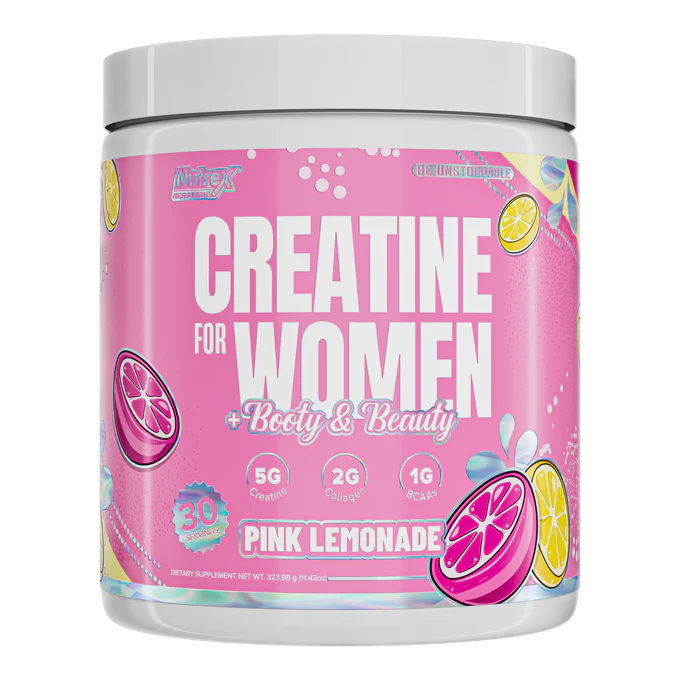
And if you’re looking for an extra edge in your muscle recovery and performance, creatine monohydrate is one of the most researched supplements out there. It supports muscle growth, strength gains, and even cognitive function!
Common Mistakes to Avoid as a Beginner
You can save yourself a lot of frustration by skipping a few common traps.
Don’t do hard workouts back to back with no rest. Don’t jump to advanced moves before you have the basics down. Don’t let one missed week convince you that you should quit. And definitely don’t ignore pain signals that feel sharp, pinchy, or unstable.
Instead, think about your strength training as a long-term relationship with your body. You’re learning what feels good, what needs more support, and what helps you feel like yourself. 💕
How We Can Support Your Strength Journey at Home
Starting strength training at home is a powerful gift to your future self. You deserve support that respects your real life, your energy, and your goals!
At Gro-Fit, we focus on simple, effective at-home strength workouts built around functional movement. We provide guidance on how to combine strength with walking, mobility, and recovery so you feel good, not burnt out. And we offer mindset tools that help you break out of all-or-nothing thinking and keep showing up, even when life is busy.
When you have clear workouts to follow and a plan that fits your season, strength training stops feeling like another chore and starts feeling like support. The habits you establish in your 30s directly influence your functional independence, quality of life, and health outcomes in your 60s and beyond.
You’ve got this! 🎯