
It’s official : measles is making headlines again, and this time it’s hitting close to home. South Carolina is currently experiencing one of the largest measles outbreaks the U.S. has seen in decades. With over 434 confirmed cases, more than 400 people in quarantine, and new cases popping up daily, it’s natural to feel a little uneasy.
But here’s the good news: knowledge is power. The more you understand about what’s happening and how to protect your family, the calmer and more in control you’ll feel. Let’s break this down together : no panic, just practical info and real steps you can take right now. 💪
What’s Happening in South Carolina Right Now?
The outbreak started in early October 2025, centered in Spartanburg County, and it’s been growing rapidly ever since. In just three days (from January 10-13, 2026), South Carolina reported 124 new cases. That’s a significant jump.
Here’s where things stand as of mid-January 2026:
- 434 confirmed cases statewide
- Over 400 people currently in quarantine
- Cases have spread beyond South Carolina to Georgia, North Carolina, Virginia, Oregon, Washington, and California
- This is the second-largest measles outbreak in the U.S. right now
The majority of cases are occurring in unvaccinated households. Of the 434 cases reported, 256 were in unvaccinated individuals, while only 2 were in fully vaccinated people. Children ages 5-17 have been hit hardest, with 206 cases in that age group alone.
This isn’t meant to scare you : it’s meant to inform you. When you know the facts, you can make the best decisions for your family.
Why Do Measles Spread So Fast?
Measles is one of the most contagious viruses out there. Seriously : it spreads like wildfire.
Here’s why:
- Airborne transmission: Measles travels through tiny respiratory droplets when an infected person coughs, sneezes, or even breathes. Those droplets can linger in the air for up to two hours.
- High infection rate: One person with measles can infect up to 20 unvaccinated people. Compare that to the flu, where one person typically infects 1-2 others.
- Contagious before symptoms appear: A person can spread measles for about four days before they even develop a rash.
This means measles can spread quickly in schools, daycares, grocery stores, and other public spaces : sometimes before anyone realizes there’s an exposure.
Know the Symptoms: A Simple Checklist
Catching measles early matters. If you or your child develops symptoms after a potential exposure, contact your healthcare provider right away (call ahead so they can prepare).
Early symptoms (2-4 days before rash):
- High fever (can spike above 104°F)
- Cough
- Runny nose
- Red, watery eyes (conjunctivitis)
- Tiny white spots inside the mouth (Koplik spots)
Later symptoms:
- Red, blotchy rash that starts on the face and spreads down the body
- Fever that may spike again when the rash appears
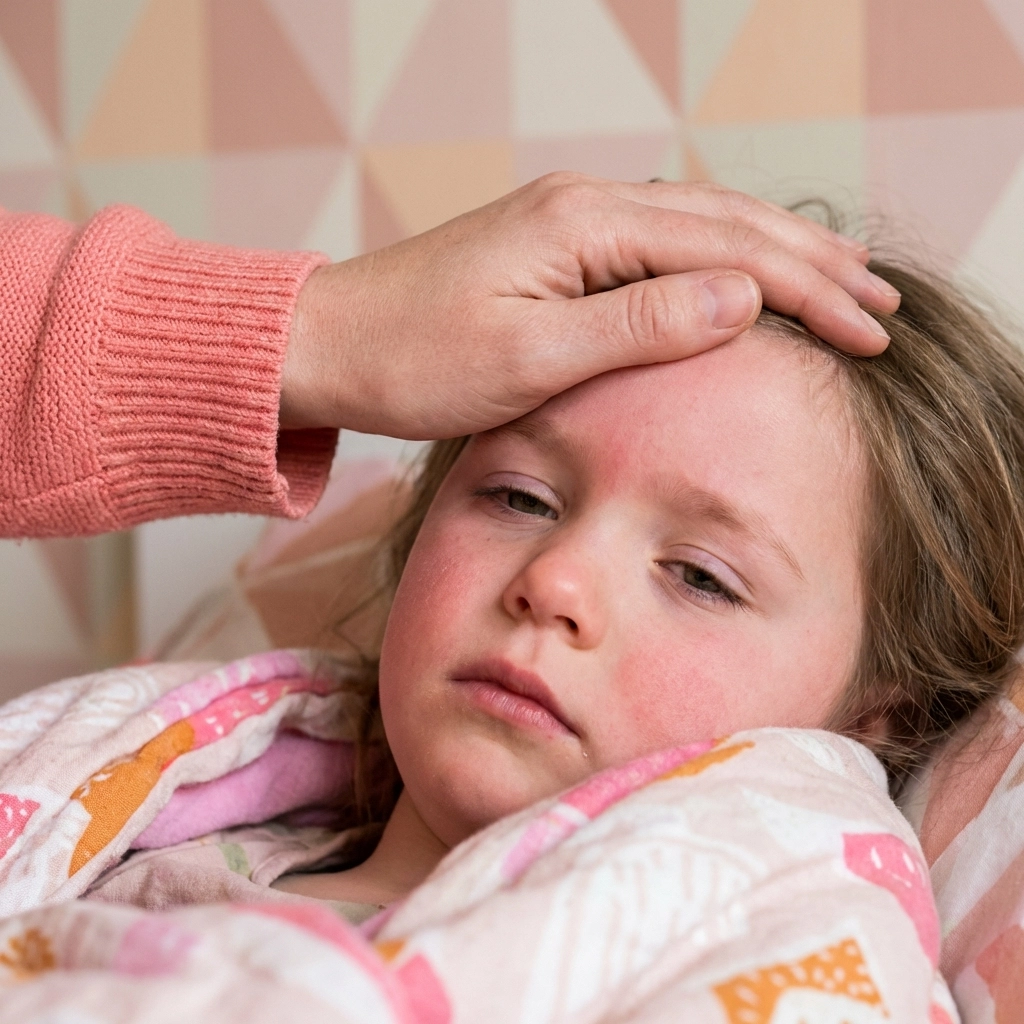
Symptoms typically appear 7-14 days after exposure. If you notice these signs : especially after being in an area with known cases : don’t wait. Early intervention can help prevent complications.
Who’s Most at Risk?
While anyone can get measles, some groups face higher risks of serious complications:
- Unvaccinated children under 5 : especially infants too young to be vaccinated
- Pregnant women : measles can cause premature birth or low birth weight
- People with weakened immune systems : including those undergoing cancer treatment or living with certain medical conditions
- Unvaccinated adults : especially those born after 1957 who may have missed the vaccine
Complications from measles can include ear infections, pneumonia, encephalitis (brain swelling), and in rare cases, death. In 2025, the U.S. recorded three measles deaths : the first in a decade. This is serious, but it’s also preventable.
Why Vaccination Matters Now More Than Ever
Let’s talk about the MMR vaccine : your family’s best defense.
Here’s what the numbers tell us:
- One dose of the MMR vaccine provides about 93% protection against measles
- Two doses bump that protection up to 97%
- In 2025, 93% of measles cases occurred in people who were unvaccinated or had unknown vaccination status
The CDC recommends:
- First dose at 12-15 months old
- Second dose between 4-6 years old
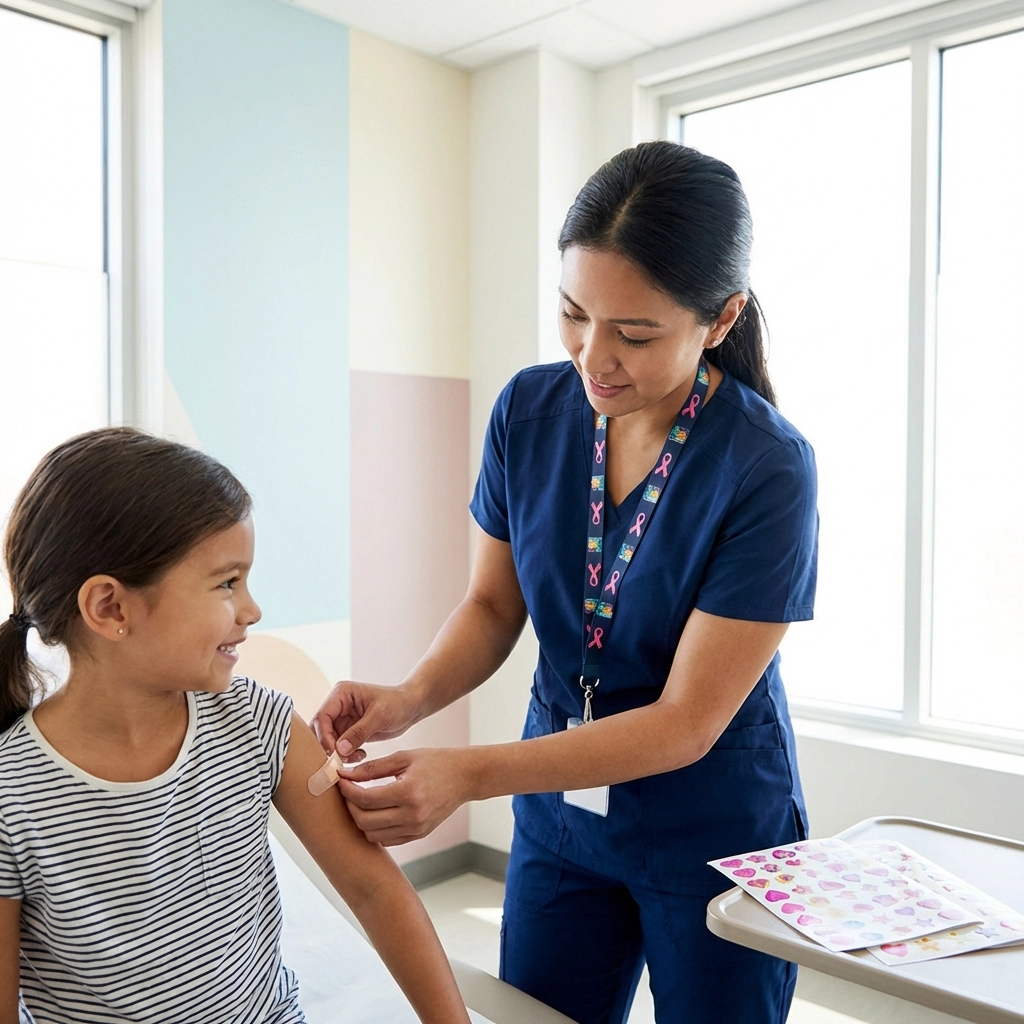
If you’re unsure about your family’s vaccination status, now’s the time to check. Your pediatrician or family doctor can pull up records and let you know if anyone needs a booster.
Not sure if you were vaccinated as a child? Adults born after 1957 who don’t have proof of immunity can get the MMR vaccine too. It’s safe, effective, and widely available.
For more on protecting your health through smart choices, check out our post on causes of cancer you control : because prevention is always the goal.
What to Do If You’ve Been Exposed
Found out there was a measles case at your child’s school or a place you visited? Don’t panic. Here’s your action plan:
Step 1: Check vaccination records
If you and your kids are fully vaccinated, your risk is very low. The vaccine is highly effective.
Step 2: Watch for symptoms
Monitor yourself and your children for 21 days after exposure. That’s the maximum incubation period for measles.
Step 3: Contact your healthcare provider
If symptoms develop, call your doctor before going in. They’ll give you instructions to avoid exposing others in the waiting room.
Step 4: Follow quarantine guidelines if required
If public health officials advise quarantine, take it seriously. Quarantine typically lasts 21 days from the last exposure for unvaccinated individuals.
Handling School and Childcare Disruptions
Let’s be real : if your child’s school or daycare has a measles case, things can get chaotic fast. Unvaccinated children may be excluded from school during an outbreak, and quarantine requirements can throw your whole schedule off.
Here’s how to stay grounded:
- Have a backup childcare plan. Reach out to family members or trusted friends who could step in if needed.
- Prepare for remote learning. If your child needs to stay home, gather supplies and set up a simple learning space.
- Communicate with your employer. If you might need to work from home or adjust your schedule, give your boss a heads-up early.
- Stock up on essentials. Keep extra groceries, medications, and household supplies on hand so you’re not scrambling.
For more tips on keeping your health and routines intact when life gets hectic, check out our guide to maintaining a healthy lifestyle with a busy schedule.
Quarantine Tips: Staying Sane and Healthy at Home
If quarantine becomes your reality, it doesn’t have to derail your wellness goals. Here’s how to make the best of it:
- Stick to a routine. Wake up, move your body, eat regular meals, and keep bedtimes consistent.
- Get moving indoors. Bodyweight workouts, yoga, or even dancing in the living room counts. Movement boosts your mood and your immune system.
- Eat well. Focus on whole foods, fruits, vegetables, and plenty of water. Need ideas? Our post on foods to help cure your cold has immune-boosting inspiration.
- Manage stress. Quarantine can feel isolating. Stay connected with friends and family via video calls, and give yourself grace. Check out our techniques to stop negative thoughts if anxiety creeps in.
- Rest up. Sleep is when your body repairs and strengthens. Prioritize it.
The Bottom Line
The measles outbreak in South Carolina is serious : but it’s also manageable when you’re informed and prepared. Vaccination remains the single most effective way to protect your family. If you’re already vaccinated, your risk is low. If you’re not sure, now’s the time to check and catch up.
Stay calm, stay informed, and take practical steps to keep your household healthy. You’ve got this. 🌿