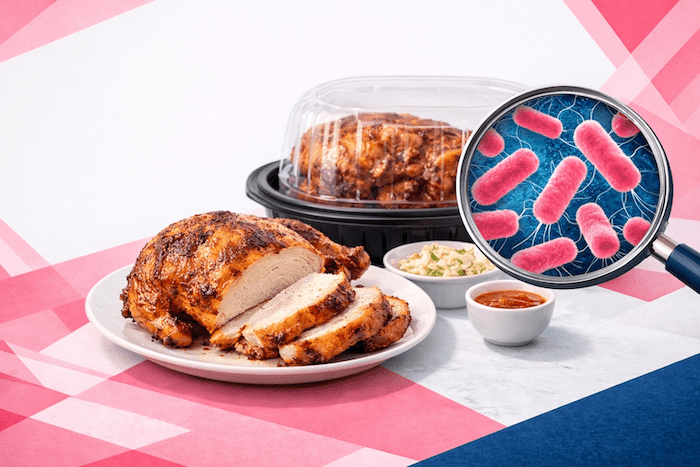

You’ve probably seen them by now. The alarming articles. The breaking news notifications. Words like “deadly,” “no cure,” and “outbreak” flashing across your screen while you’re just trying to get through your Tuesday. 😰
It’s enough to make anyone want to hide under a weighted blanket and pretend the outside world doesn’t exist.
But here’s the thing. If you’re reading this, you’re probably the person everyone in your household looks to when things get uncertain. You’re the CEO of your home. The one who makes sure the fridge is stocked, the schedules are managed, and everyone stays on track. And when health news gets scary, you’re also the one expected to have answers.
That’s a lot of pressure. And we see you. 💪
The good news? Knowledge is power. And panic? That’s just wasted energy. Today, we’re going to break down what’s actually happening with the Nipah virus outbreak, separate fact from fear, and give you real, actionable steps to protect your family and your peace of mind.
Let’s do this together. ✨
What Is Nipah Virus and Why Is Everyone Talking About It
So let’s get into it. What exactly is the Nipah virus, and should you actually be worried?
Nipah is a zoonotic virus, which is a fancy way of saying it jumps from animals to humans. In this case, the primary carriers are fruit bats. 🦇 The virus was first identified back in 1999 during an outbreak in Malaysia, and since then, it has popped up sporadically, mostly in parts of South and Southeast Asia.
The recent outbreak that’s making headlines occurred in West Bengal, India. Health officials confirmed cases in January 2026, including infections among healthcare workers. Several nurses who cared for infected patients have contracted the virus, which highlights just how contagious it can be through close contact.

The Hard Facts You Should Know
Here’s where things get serious. Nipah has a fatality rate of up to 75%, which is genuinely alarming. There is currently no vaccine and no specific cure. Treatment is supportive, meaning doctors can only manage symptoms while the body fights the infection.
Symptoms often start like the flu. Think fever, headache, muscle pain, and fatigue. But Nipah can progress rapidly to encephalitis, which is inflammation of the brain. This is what makes it so dangerous.
Now, before you spiral, let’s take a breath. 🧘♀️
Why Panic Is Not the Answer
Yes, the statistics sound terrifying. But context matters.
Nipah outbreaks have historically been small and contained. Unlike viruses that spread through the air like wildfire, Nipah typically requires close contact with an infected person or animal. It’s not circulating in your neighborhood. It’s not at your local grocery store. And health experts around the world are actively working to contain the current outbreak.
The World Health Organization and the Centers for Disease Control are monitoring the situation closely. India has implemented containment protocols. And global health infrastructure has improved significantly since the COVID-19 pandemic taught us some hard lessons about preparedness.
So what does this mean for you? It means stay informed, but don’t let fear run the show. Your energy is better spent on what you can control. And there’s actually quite a lot you can do to keep your household healthy and resilient. 💪
Practical Steps for a Healthy and Protected Home
Prevention is everything when there’s no cure on the table. The great news? Many of the best prevention strategies are things you can implement right now, today, in your own home. Let’s break it down.
Hygiene Is Your First Line of Defense
You’ve heard it a million times, but it bears repeating. Handwashing is non-negotiable. Proper hand hygiene can significantly reduce your risk of contracting and spreading infectious diseases.
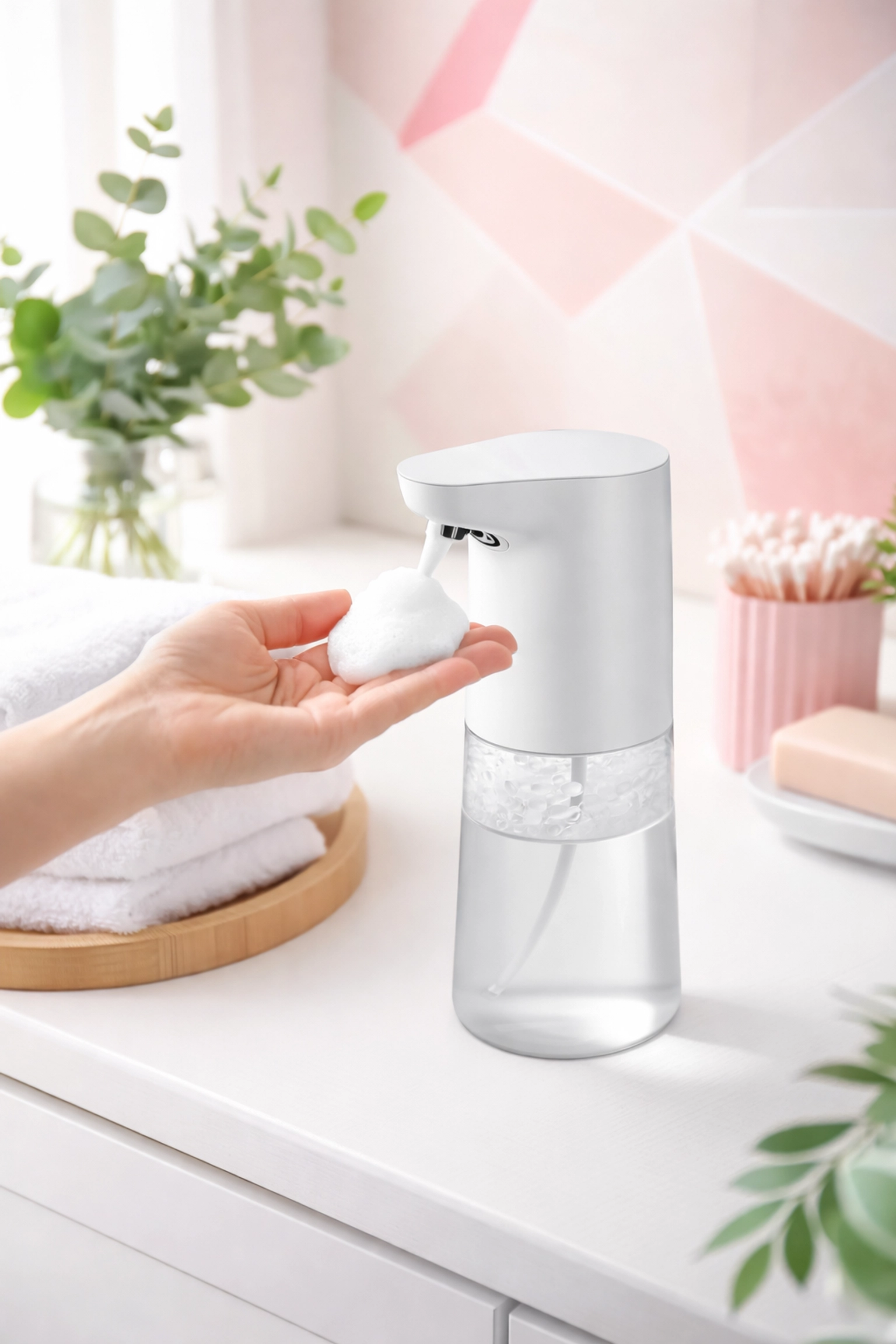
Want to level up your game? Consider switching to a touchless hand soap dispenser for your bathroom and kitchen. No touching germy pumps means one less opportunity for bacteria and viruses to hitch a ride. Plus, it makes handwashing feel kind of fancy. 🧼✨
Make sure everyone in your household knows the drill. Wash with soap for at least 20 seconds. Get between those fingers. And wash before eating, after using the restroom, and after coming home from being out in public.
Clean Air Matters More Than You Think
Your home should be your sanctuary. And the air quality inside plays a huge role in keeping your family healthy.
A high-quality HEPA air purifier can filter out airborne particles, allergens, and even some pathogens. It’s an investment in your indoor environment that pays dividends during cold and flu season and beyond. Think of it as giving your lungs a little extra love. 💨
Open windows when weather permits to increase ventilation. Fresh air circulation is one of the simplest ways to reduce the concentration of any airborne nasties floating around.
Safe Food Handling and Storage
While Nipah isn’t a foodborne illness in the traditional sense, maintaining clean food prep habits is always a smart move for overall health. Fresh fruits should be washed thoroughly, and any produce that looks damaged or has been nibbled by animals should be tossed.
Invest in a quality set of glass food storage containers to keep your prepped meals fresh and protected. Glass is easier to clean, doesn’t absorb odors, and keeps your food safer than old plastic containers that might harbor bacteria in scratches and cracks. 🥗
Boosting Your Natural Defenses the Gro-Fit Way
We believe that a strong body is your best armor against whatever life throws at you. And that includes health scares.
Your immune system is incredibly powerful when you give it the support it needs. And no, we’re not talking about miracle cures or magic potions. We’re talking about the fundamentals.
Nourish Your Body With Intention
What you eat matters. Fill your plate with colorful fruits and vegetables, lean proteins, and healthy fats. These provide the vitamins, minerals, and antioxidants your immune system needs to function at its best.
If you want an extra boost, consider adding a liposomal Vitamin C supplement to your routine. Vitamin C is a well-known immune supporter, and the liposomal delivery system helps your body absorb it more effectively. It’s like giving your cells a VIP pass to the good stuff. 🍊
Check out our nutrition articles for more tips on eating for energy and immunity.
Move Your Body Daily
Exercise isn’t just about looking good. It’s about feeling good and keeping your systems running smoothly. Regular physical activity has been shown to boost immune function, reduce inflammation, and improve mental health.
You don’t need to run a marathon. A 30-minute walk, a yoga session, or a quick strength workout can make a world of difference. Movement is medicine! 🏃♀️

Prioritize Sleep and Stress Management
Your immune system does some of its best work while you’re sleeping. Aim for 7-9 hours of quality rest each night. Create a bedtime routine that helps you wind down. Put the phone away at least an hour before bed. And keep your bedroom cool and dark.
Stress is also a major immune suppressor. When you’re constantly in fight-or-flight mode, your body diverts resources away from immune function. Meditation, deep breathing, journaling, and even just a few minutes of quiet can help reset your nervous system.
Explore our mindset articles for more strategies on staying calm and centered.
Knowledge Over Fear
Global health alerts are never fun. But they’re also not a reason to live in constant fear. You have more power than you think. By staying informed through reliable sources, practicing good hygiene, supporting your immune system, and creating a healthy home environment, you’re doing everything right.
You’re not helpless. You’re prepared. You’re proactive. And you’re exactly the kind of person your family needs leading the charge. 👑
Remember, hope and optimism aren’t just feel-good concepts. Research shows that positive psychological factors can actually improve health outcomes. So take a deep breath. Focus on what you can control. And trust that you’ve got this.
Because you absolutely do. 💪✨
Stay strong, stay informed, and keep glowing from the inside out. That’s the Gro-Fit way.