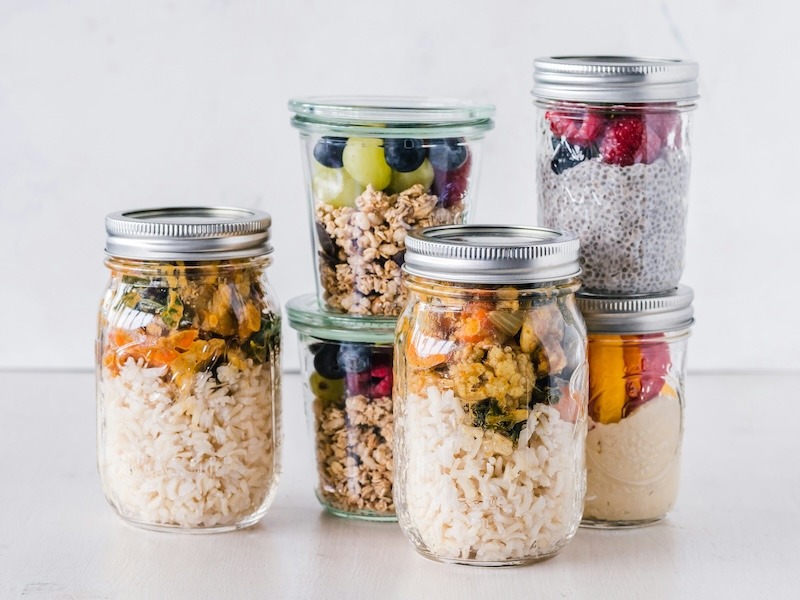

When a power outage hits, the last thing you want to worry about is what to eat. But between a warming refrigerator, uncertainty about how long the outage will last, and limited options, meal planning during an emergency can feel overwhelming. The good news? With a bit of smart preparation, you can have healthy, satisfying food ready to go—no electricity required.
Power outages can last anywhere from a few hours to several days, depending on where you live and what caused the outage. Whether you’re dealing with severe weather, an aging power grid, or just bad timing, being prepared with the right food makes all the difference. Not only does it reduce stress, but it also means you’re eating nutrition-packed meals instead of surviving on vending machine snacks.
The key is having shelf-stable foods that don’t require cooking, refrigeration, or much preparation. But here’s the thing: “emergency food” doesn’t have to mean boring or unhealthy. Let’s break down exactly what you should stock, what specific products to buy, and how to prepare meals that actually taste good when the power’s out.
Why Power Outage Food Prep Matters
When your refrigerator and freezer go dark, you’re working against the clock. Most food in your fridge stays safe for about 4 hours if the door stays closed, but why risk it? Having a dedicated power outage food stash means you’re not scrambling to figure out what’s still good to eat, what needs to be thrown out, or whether you can eat those leftovers.
Beyond food safety, having prepared meals ready means:
- Reduced stress: You know exactly what you’re eating without having to make decisions when you’re already stressed
- Better nutrition: You can actually choose healthy options instead of defaulting to the only thing available
- Cost savings: You won’t lose expensive groceries if you have backup options ready
- Peace of mind: Your family will eat well, which makes everyone feel more secure during an uncertain situation
- Practical meals: No-cook options mean no stress about cooking in the dark or on a camping stove
The Best Shelf-Stable Foods for Power Outages
Before we get into specific products, let’s talk about the categories of food that work best during a power outage. You want things that are nutritious, require no cooking (or minimal preparation), and actually appeal to you when eaten cold or at room temperature.
Proteins: The Foundation
Protein is crucial during a stressful situation—it keeps you satiated, maintains stable energy, and supports your body. Here are the best shelf-stable protein options:
Best Protein Products to Stock
Canned Fish & Seafood
What to buy: Wild-caught canned salmon, sardines, tuna, mackerel
Why: High in omega-3s, protein, and minerals. Eat straight from the can or add to crackers.
Plant-Based Proteins
What to buy: Canned beans (black, chickpea, lentil), hemp seeds, pumpkin seeds
Why: High fiber, complete amino acid profiles, budget-friendly.
Nuts & Nut Butters
What to buy: Almonds, walnuts, almond butter, peanut butter (natural)
Why: Dense nutrition, satisfying, long shelf life (check expiration dates).
Jerky & Dried Meats
What to buy: Grass-fed beef jerky, bison jerky, turkey jerky
Why: Shelf-stable, high protein, satisfying, minimal processing options available.
Carbs: Smart Energy
You need carbs during stressful situations—they’re fuel. But choose whole grains and complex carbs over refined options:
Best Carb Products to Stock
Whole Grain Crackers
What to buy: Seeded crackers, sprouted grain crackers, Mary’s Gone Crackers
Why: More nutrients than white crackers, pair well with tuna or cheese.
Whole Grain Bread
What to buy: Dave’s Killer Bread, Ezekiel bread (shelf-stable versions)
Why: If you can find shelf-stable versions, they work great for sandwiches.
Oats & Granola
What to buy: Steel-cut oats, high-protein granola, low-sugar options
Why: Can eat dry as snacks or with shelf-stable milk. No cooking needed.
Whole Grain Pasta
What to buy: Lentil pasta, chickpea pasta, whole wheat pasta
Why: Great for hot meals if you have camping stove. High protein varieties available.
Healthy Fats: Satiety & Nutrition
Fats slow digestion and keep you satisfied longer—essential during stressful situations:
- Extra virgin olive oil: Pour over crackers, fish, or beans for added calories and omega-3s
- Avocado (shelf-stable guacamole packs): Add to crackers or canned beans
- Coconut oil: Shelf-stable, versatile, great for cooking if you have a camp stove
- Tahini: Mix with water to make a sauce, incredibly nutrient-dense
Fruits & Vegetables: Nutrition & Variety
Fresh produce goes bad quickly without power, but you have excellent shelf-stable options:
Best Produce Options to Stock
Canned/Jarred Vegetables
What to buy: Artichoke hearts, roasted red peppers, tomatoes, mushrooms
Why: Packed with nutrients, no cooking required, add to any meal.Ready-to-Eat
Dried Fruit
What to buy: Berries, apricots, figs, raisins (no added sugar when possible)
Why: Concentrated nutrients and energy, satisfying snack, pairs with nuts.No Refrigeration
Canned Fruit
What to buy: Berries, peaches, pineapple (packed in juice or water, not syrup)
Why: Better than candy, fiber content, natural sugar for energy.Energy Boost
Shelf-Stable Veggies
What to buy: Potatoes, sweet potatoes, onions, garlic
Why: Store in cool, dark place. Can cook on camp stove or eat raw in emergencies.Real Whole Food
Complete Power Outage Shopping List
Proteins (Buy 2-3 of each)
- ☐ Canned wild-caught salmon (2-3 cans)
- ☐ Canned sardines (2 cans)
- ☐ High-quality tuna (2-3 cans)
- ☐ Grass-fed beef jerky (2-3 packs)
- ☐ Canned chickpeas (3 cans)
- ☐ Canned lentils (2 cans)
- ☐ Almonds or walnuts (1 lb bag)
- ☐ Natural almond or peanut butter (1-2 jars)
Carbs & Fiber
- ☐ Whole grain crackers (2 boxes)
- ☐ Raw or roasted oats (large container)
- ☐ Low-sugar granola (1 container)
- ☐ Whole wheat pasta (1-2 boxes)
- ☐ Sweet potatoes (3-4 medium)
Fruits & Vegetables
- ☐ Canned berries in juice (2 cans)
- ☐ Dried apricots or figs (1 bag)
- ☐ Canned tomatoes (2 cans)
- ☐ Roasted red peppers in jar (1 jar)
- ☐ Canned artichoke hearts (1 jar)
Healthy Fats & Oils
- ☐ Extra virgin olive oil
- ☐ Coconut oil
- ☐ Tahini
Pantry Essentials
- ☐ Sea salt & black pepper
- ☐ Coconut milk (1-2 cans)
- ☐ Shelf-stable plant milk (1 carton)
- ☐ Raw honey or maple syrup
- ☐ Dark chocolate (>70% cacao)
No-Cook Meals You Can Prepare in Minutes
Here’s the real test: can you actually make something tasty and satisfying when the power’s out? Absolutely. Here are meal ideas that take 5-10 minutes to assemble:
Sample Power Outage Meals
🍽️ Meal 1: Mediterranean Power Bowl
Canned salmon + whole grain crackers + roasted red peppers (jarred) + olives + lemon juice (shelf-stable) + olive oil
Why this works: Complete protein, healthy fats, minerals, satisfying, ready in 5 minutes
🍽️ Meal 2: Trail Mix Power Snack
Raw almonds + walnuts + dried berries + dark chocolate chunks + coconut flakes
Why this works: Protein + carbs + healthy fats = sustained energy, no preparation
🍽️ Meal 3: Bean & Veggie Salad
Canned chickpeas + canned artichoke hearts + dried tomatoes or canned tomatoes + olive oil + sea salt + fresh basil (if available)
Why this works: High fiber, protein, complete meal, tastes better as it sits
🍽️ Meal 4: Nut Butter Power Toast
Whole grain bread (shelf-stable) + natural almond butter + sliced dried figs + sea salt + honey
Why this works: Carbs + protein + natural sugars, familiar comfort food, zero cook time
🍽️ Meal 5: Sardine Cracker Stack
Whole grain crackers + canned sardines + sliced red pepper (jarred) + lemon juice + avocado (if still fresh)
Why this works: Omega-3s, complete nutrition, high satiety, sophisticated flavors
🍽️ Meal 6: Overnight Oats (No Fridge Needed)
Raw oats + shelf-stable milk (coconut or almond) + canned berries + almond butter + raw honey + cinnamon
Why this works: Can prepare in a mason jar, sits fine at room temperature for 12 hours, no cooking needed
Smart Storage Tips for Maximum Shelf Life
💡 Cool, Dark, Dry: Store your power outage food in a cool, dark place away from direct sunlight. A basement, closet, or pantry works great. Keep away from moisture and heat sources like stoves or radiators.
💡 Container Check: Make sure all canned goods are in good condition—no dents, rust, or leaks. Transfer opened packages to airtight containers to maximize shelf life.
💡 Rotation System: Implement “first in, first out” rotation. When you buy new items, put them behind older stock. Every 6 months, pull out what you’ve stored and integrate it into regular meals, then restock fresh items.
💡 Check Dates Regularly: Set a phone reminder every 6 months to check expiration dates on your stash. Most shelf-stable foods last 1-2 years, but it’s worth verifying.
What NOT to Store in Your Power Outage Kit
❌ Skip These
- Ultra-processed junk food (you’ll feel worse)
- Foods requiring cooking (ovens, stoves)
- Anything needing refrigeration
- High-sodium instant ramen (excess salt)
- Sugary energy drinks
✓ Prioritize These
- Whole food ingredients
- Foods you actually enjoy eating
- High protein options
- Foods that work at room temperature
- Nutrient-dense options
Prepare Your Kit: Checklist
Before Your Next Power Outage
☐ Assess your current pantry for shelf-stable foods you already have☐ Shop for power outage foods using the list above (budget $50-100 to start)☐ Store everything in a cool, dark, dry location with easy access☐ Label your storage container with “Power Outage Kit” and date it☐ Write down the meal ideas on an index card and keep it with your kit☐ Tell family members where the kit is located☐ Set a phone reminder for every 6 months to rotate stock and check dates☐ Keep a bottle opener and hand-crank can opener with your kit
Additional Supplies to Have on Hand
Your food is only part of the equation. These supplies will make your power outage meals manageable:
- Can opener (manual/hand-crank): Essential! keep 2 of them
- Bottle opener: Don’t forget this simple tool
- Utensils: Plastic spoons, forks, knives (you won’t be washing dishes)
- Plates & bowls: Disposable or ones you don’t mind leaving dirty
- Napkins & paper towels: Running water will be scarce
- Bottled water: Stock at least 1 gallon per person per day for 3 days minimum
- Hand sanitizer: For hygiene without running water
- Headlamp or flashlight: You’ll need light to see what you’re eating
- Matches or lighter: If you’re using a camping stove for cooking
The Bottom Line: You’re More Prepared Than You Think
Power outages are stressful, but they don’t have to derail your health or nutrition. By spending a bit of time and money now to stock shelf-stable, whole foods, you’re giving yourself and your family a huge gift: the ability to eat well even when everything else is uncertain.
The best part? Most of these foods are things you’d enjoy eating anyway. They’re not “emergency food” that only gets eaten when the power’s out—they’re quality ingredients that belong in your regular rotation. Over time, you’re naturally refreshing your kit while incorporating these nutrients into your daily life.
Your Power Outage Nutrition Game Plan
Start small if this feels overwhelming. Pick your five favorite meals from the suggestions above, buy those ingredients, and call it done. You can always expand your kit over time. The important thing is having something ready. Most people who prepare beforehand report feeling significantly calmer during actual outages—it’s amazing what a little planning does for peace of mind.
When the next outage happens, you’ll be ready with food that nourishes your body and supports your wellbeing. That’s something worth preparing for.