
The government just made a major shift that’s got health experts buzzing – and honestly? It’s leaving a lot of us scratching our heads! 🤔
On January 8th, 2026, the US dropped its long-standing guidance about consuming no more than one or two drinks per day. Instead of those specific numbers we’ve relied on since 1990, we’re now getting vague advice to simply “consume less alcohol for better overall health.”
Here’s the thing – this change is sparking serious debate, and as busy women juggling work, family, and our own wellness goals, we deserve to know what this really means for our health decisions.
What Actually Changed (And Why It Matters)
Let’s break this down because the shift is pretty significant!
The old guidelines were crystal clear:
- Women: No more than 1 drink per day
- Men: No more than 2 drinks per day
- Detailed explanations about binge drinking (4+ drinks in 2 hours for women)
- Clear warnings about health risks like heart disease, liver disease, and cancer
The new guidelines are… well, fuzzy:
- Just “consume less alcohol for better overall health”
- No specific daily limits
- No distinction between men and women
- Way less detail about health risks
During the announcement, Mehmet Oz actually called alcohol a “social lubricant that brings people together” and said “there’s probably nothing healthier than having a good time with friends in a safe way.”
Public health experts? They’re not having it. Mike Marshall from the US Alcohol Policy Alliance called this “disappointing and alarming,” pointing out that alcohol is literally a “toxic, addictive carcinogen.”
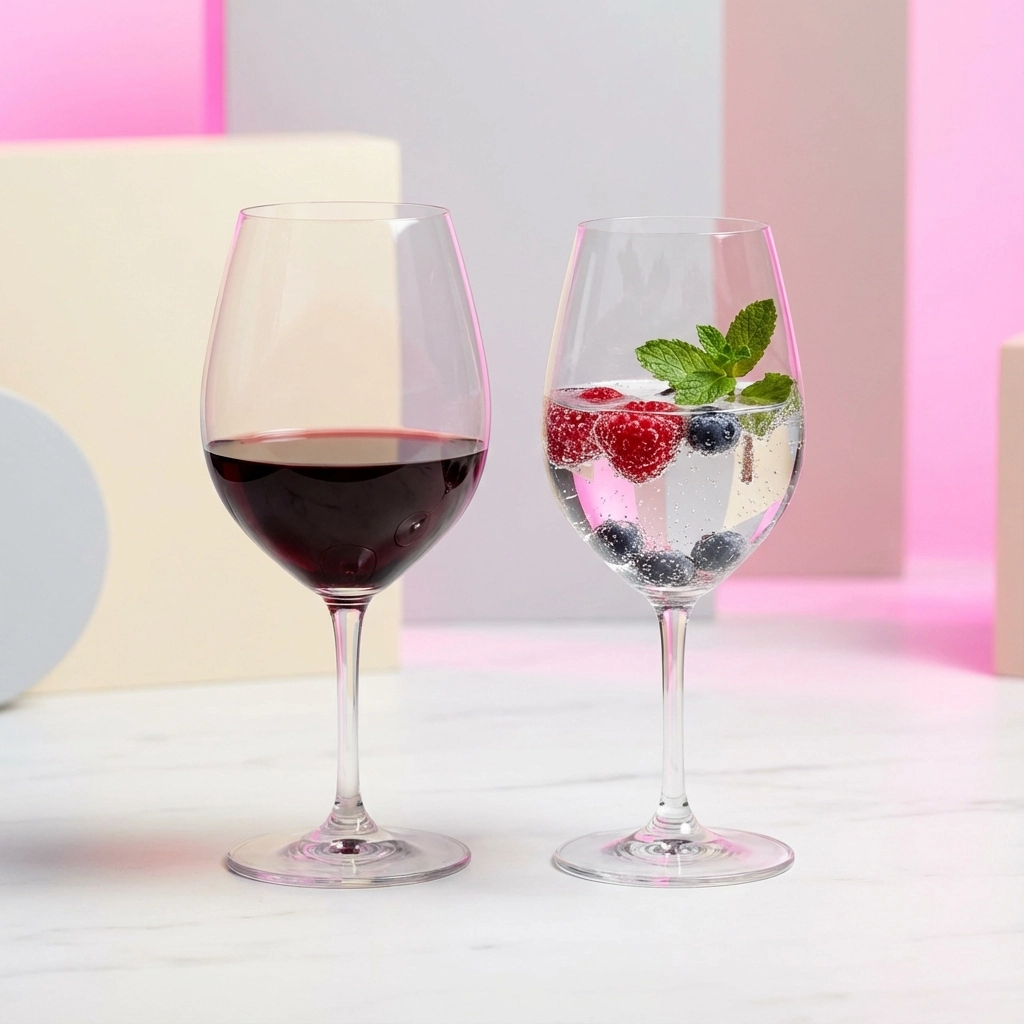
Why This Hits Different for Women
Here’s what really gets me fired up about this change – the new guidelines completely ignore the fact that women and men process alcohol differently!
Your body metabolizes alcohol differently than your partner’s or your guy friends’. Women generally:
- Have less water in their bodies to dilute alcohol
- Produce less of the enzyme that breaks down alcohol
- Face higher health risks at lower consumption levels
The previous one-drink guideline for women wasn’t arbitrary – it was based on real physiological differences. By removing these gender-specific recommendations, the guidelines are essentially pretending our bodies work the same way. Spoiler alert: they don’t!
This vague messaging makes it way harder to assess your personal risk. As one CDC expert put it, the new guidelines don’t allow “Americans to really have any sort of sense of where the risks begin.”
What Health Experts Are Actually Saying
The timing of this change is pretty wild when you consider what the scientific community has been telling us lately.
Just last year, the World Health Organization made it clear: there’s no completely safe level of alcohol consumption. The previous US Surgeon General was pushing for cancer warnings on alcohol labels. And a recent study found that men who consume two drinks per day have a 1 in 25 chance of dying prematurely from alcohol.
But the new guidelines? They’re moving in the opposite direction.
Dr. Tim Naimi, who co-authored research on alcohol risks, had hoped for even tighter guidelines – maybe just a few drinks per week total. Instead, we got this watered-down version that public health advocates say is basically a gift to the alcohol industry.
Countries like Canada and the UK are telling their citizens to drink less based on the same scientific evidence. Meanwhile, we’re getting mushier messaging that makes it harder to make informed choices.
The Real Talk About Alcohol and Your Health
Let’s get honest for a minute. The research on alcohol and health has been all over the place, but here’s what we know for sure:
The “less is better” principle still holds true. Even with these looser guidelines, every expert agrees that reducing alcohol consumption improves your overall health.
Your risk factors matter more than ever. Without specific limits to guide you, you need to consider:
- Your family history of addiction or certain cancers
- Medications you’re taking
- Any existing health conditions
- Whether you’re pregnant or trying to conceive
The social pressure is real. We live in a culture where wine mom jokes are everywhere and “mommy juice” is normalized. But just because something’s socially acceptable doesn’t mean it’s optimal for your health.
A recent Gallup poll found that 53% of Americans now believe moderate drinking is bad for health – the first time a majority has felt this way. You’re not alone if you’re questioning your relationship with alcohol!
Practical Guidelines for Busy Women
Since the government isn’t giving us clear boundaries anymore, here’s how to create your own smart approach:
Know the current health benchmarks:
- The CDC still defines excessive drinking for women as 8+ drinks per week
- Binge drinking is still 4+ drinks within 2 hours
- These numbers haven’t changed – the guidelines just got vaguer
Create your own limits based on your goals:
- If you’re focused on weight management, remember alcohol adds empty calories
- If better sleep is a priority, even small amounts can disrupt your sleep quality
- If you’re managing stress, alcohol might actually be making it worse
Consider alcohol-free alternatives:
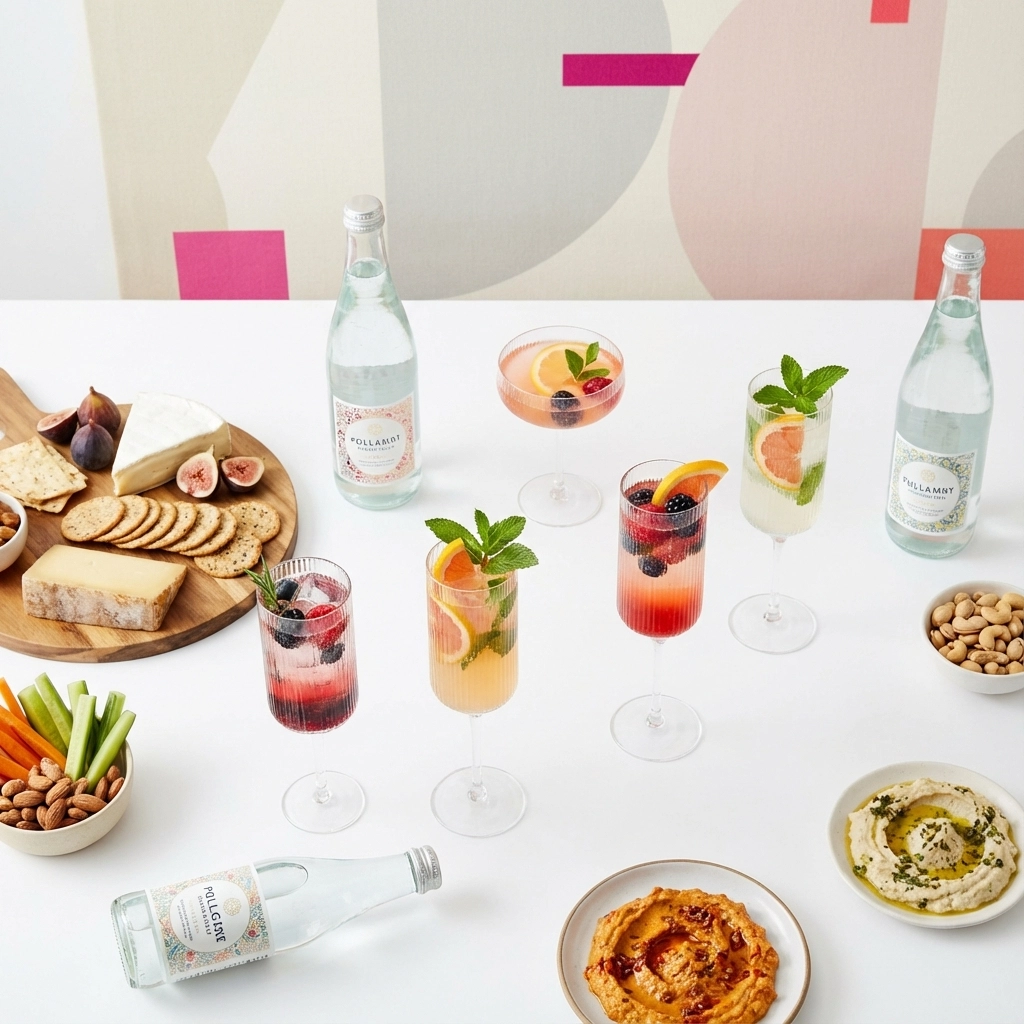
- The mocktail game has gotten seriously good lately!
- Kombucha, sparkling water with fresh fruit, or fancy teas can satisfy that “special drink” craving
- Many restaurants now have impressive non-alcoholic options
Making Informed Choices in Social Situations
Let’s be real – social drinking is part of many of our lives, and that’s okay! The key is being intentional about it.
At work events or mom gatherings:
- You don’t need to explain your choices to anyone
- Having a plan ahead of time prevents spur-of-the-moment decisions
- Consider alternating alcoholic drinks with water or mocktails
During stressful periods:
- Notice if you’re reaching for wine to cope with tough days
- Alcohol might provide temporary relief but often makes stress and anxiety worse
- Try other stress-relief strategies first: a hot bath, calling a friend, or a quick workout
When you do choose to drink:
- Eat something substantial first
- Set a limit beforehand and stick to it
- Pay attention to how you feel the next day – your body gives you valuable feedback
The Bottom Line for Your Wellness Journey
Here’s what I want you to take away from all this: the government might have made their guidance fuzzier, but that doesn’t mean the health risks disappeared. If anything, it means you need to be more thoughtful about your choices.
The good news? You don’t need the government to tell you what’s best for your body. You’re already paying attention to how different foods make you feel, how exercise impacts your energy, and what helps you sleep better. Apply that same awareness to alcohol.
Your action steps:
- Talk to your doctor about what level of alcohol consumption makes sense for your health profile
- Track how you feel after drinking – energy levels, sleep quality, mood the next day
- Experiment with alcohol-free alternatives for your go-to social situations
- Set your own guidelines based on your wellness goals, not vague government recommendations
Remember, this isn’t about being perfect or never enjoying a glass of wine with friends. It’s about making informed choices that align with your health goals and values.
The research is clear: when it comes to alcohol, less really is better for your health. The new guidelines might be wishy-washy, but your commitment to feeling your best doesn’t have to be! 💪
Take control of your wellness decisions – because you deserve to have all the information you need to live your healthiest, most vibrant life.