

If you’ve been experiencing mysterious digestive issues, constant bloating, or unexplained food reactions, your gut might be trying to tell you something. You’ve probably heard the term “leaky gut” thrown around in wellness circles, but what does it actually mean? And more importantly, can your diet really fix it? Let’s break this down together.
Food allergies and food sensitivities have become increasingly common topics in conversations about health and wellness. The rise in diagnoses might make it seem like these conditions are new, but they’re actually becoming more prevalent in our modern world. What’s particularly important to understand is that while these terms are often used interchangeably, they’re actually quite different—and that distinction matters for your health.
Food Allergies vs. Food Sensitivities: What’s the Real Difference?
At first glance, food allergies and food sensitivities seem like they should be the same thing. After all, both can cause digestive distress, skin reactions, and general discomfort. Some people even experience overlapping symptoms. However, the mechanisms behind these two conditions are fundamentally different, and understanding the distinction can be transformative for your health journey.
Food Allergies
A food allergy triggers an immediate immune system response that can affect multiple body systems. Your immune system perceives the food as a genuine threat and mounts a defense. Food allergies can range from uncomfortable to life-threatening.
Examples of symptoms: Swelling, hives, anaphylaxis, severe reactions
Food Sensitivities
Food sensitivities, also called food intolerances, involve a different mechanism and typically affect the digestive system primarily. While uncomfortable, they’re generally less severe than allergies and don’t pose the same systemic threat.
Examples of symptoms: Bloating, gas, cramping, digestive discomfort
The Leaky Gut Connection: Understanding Intestinal Permeability
Now here’s where things get really interesting—and where your diet becomes your most powerful tool. There’s a fascinating mechanism at play that connects leaky gut directly to food sensitivities and allergies, and it all happens in your intestines.
What Is Leaky Gut, Exactly?
Your digestive system is a pretty remarkable filter. A healthy, properly functioning intestine has walls that are tight and selective about what gets through. Think of it like a bouncer at an exclusive club—only the VIPs (small molecules like vitamins, simple sugars, and amino acids) get past the velvet rope. Everything else stays out.
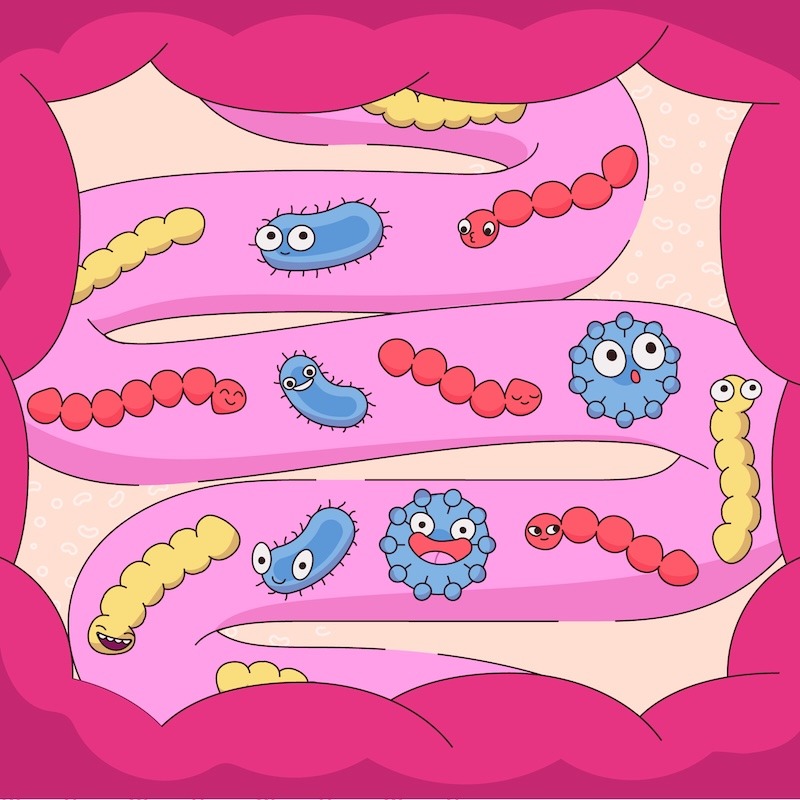
But when your gut becomes overly permeable—what we call “leaky gut”—that bouncer takes a vacation. Suddenly, molecules that absolutely should not be passing through make it into your bloodstream: larger food particles, toxins, bacteria, and undigested food waste all slip through the cracks.
The Key Issue: When these unwelcome particles enter your bloodstream, your immune system doesn’t recognize them as “supposed to be here.” Your body treats them as foreign invaders and mounts an immune response, creating inflammation and triggering reactions you might label as food sensitivities.
This is the crucial connection: leaky gut doesn’t just cause discomfort—it actually creates food sensitivities by allowing your immune system to become sensitized to foods you could previously tolerate just fine.
How Does This Happen?
If your body starts producing antibodies against certain foods, those foods will be forever treated as pathogenic by your system. This is why people often report developing new food sensitivities seemingly out of nowhere. The food didn’t change; your gut did.
Real talk: If left unaddressed, leaky gut can contribute to autoimmune diseases, chronic digestive problems, skin conditions, and a cascade of other health issues. But here’s the good news—this is one of the few health conditions where you have significant control through dietary choices.
What Causes Leaky Gut? The Usual Suspects
Leaky gut doesn’t appear overnight. It’s typically the result of repeated exposure to inflammatory substances or stressors on your digestive system. Here are the most common culprits:
- Anti-inflammatory medications like ibuprofen and aspirin, despite their usefulness, can damage your gut lining over time
- Alcohol and caffeine irritate the intestinal lining and increase permeability
- Antacid medications disrupt the natural acid balance needed for proper digestion
- Food additives and artificial ingredients stress your digestive system
- Stress (both physical and emotional) wreaks havoc on your gut health—your gut-brain connection is real
- Infections within the bowel can damage the intestinal lining
- Processed foods high in refined flours, sugars, and inflammatory oils feed harmful bacteria and damage your microbiome
- Candidiasis (yeast overgrowth) destabilizes your gut flora
- Antibiotics wipe out beneficial bacteria along with harmful ones
Common Symptoms That Suggest Leaky Gut
If you’ve been experiencing any combination of these symptoms, leaky gut might be worth investigating:
- Chronic fatigue that doesn’t improve with rest
- Joint and muscle pain without obvious cause
- Abdominal pain, bloating, and digestive distress
- Unexplained skin rashes or conditions like eczema
- Joint inflammation or arthritis
- Fibromyalgia symptoms
- Brain fog and concentration issues
- Mood disturbances including depression and anxiety
The Good News: You Can Heal Your Gut Through Diet
This is where I want to shift the conversation from what’s wrong to what you can actively do about it. The beautiful truth is that your gut has incredible regenerative capacity. Most of the cells lining your digestive system are replaced roughly every 3-5 days, which means you have a real opportunity to heal—starting today.
The strategy is simple but requires commitment: remove the substances that are damaging your gut, and simultaneously feed your body the nutrients it needs to repair the damage.
7 Evidence-Based Steps to Heal Your Leaky Gut
- Eliminate alcohol and caffeine from your diet. I know this might feel drastic, but these are major gut irritants. Cutting them out gives your gut lining the break it needs to heal. You can gradually reintroduce them once you’re feeling better, though you might find you don’t miss them as much as you thought.
- Stop using all anti-inflammatory medications (with your doctor’s guidance). While NSAIDs like ibuprofen are convenient, they’re a significant cause of leaky gut. Work with your healthcare provider to find safer pain management alternatives, whether that’s ice, heat, movement, or other modalities.
- Chew your food thoroughly and take a digestive enzyme. This is foundational. Your digestion starts in your mouth, not your stomach. Taking time to chew gives your digestive system a head start and reduces the burden on your gut. A quality digestive enzyme supplement supports your body’s ability to break down food properly, reducing the stress on your intestinal lining.
- Take probiotics to increase beneficial bacteria. Probiotics are like reinforcements for your gut army. They help restore the balance of healthy microbes in your intestines, which is crucial for maintaining a strong intestinal barrier. Look for multi-strain probiotics with at least 10 billion CFUs.
- Aim for at least nine servings of fruits and vegetables daily. I know that number might sound big, but whole plant foods are healing medicine. They provide the micronutrients, fiber, and phytonutrients your gut needs to repair itself. Variety is key—aim for different colors throughout the day to maximize nutrient diversity.
- Eliminate refined white flour, sugar, and processed foods. These foods feed harmful bacteria in your gut and create the inflammatory environment that perpetuates leaky gut. This is the single biggest dietary change most people need to make. Your gut will thank you almost immediately.
- Drink plenty of filtered water throughout the day. Hydration supports every biological process, including gut healing. Aim for at least half your body weight in ounces daily. Filtered water is preferable to tap water, as it reduces additional stressors on your system.
Your Gut Healing Action Plan
Healing leaky gut isn’t about perfection—it’s about consistent, nourishing choices. Start with one or two of these steps this week. Maybe it’s cutting out refined foods and adding probiotics. Next week, add another layer. This gradual approach is more sustainable than an all-or-nothing overhaul, and you’ll be amazed at how quickly you start feeling better.
Most people report noticeable improvements in energy, digestion, and how they feel overall within 2-3 weeks of making these dietary changes. Stick with it for at least 30 days to give your gut time to truly heal.
The Bottom Line: Your Diet Is Your Medicine
Food sensitivities and mysterious digestive issues often feel overwhelming and frustrating. But understanding the mechanism behind leaky gut puts you back in the driver’s seat. Every meal is an opportunity to either harm or heal your digestive system—and now you know which choices support healing.
Your body wants to feel good. Your gut wants to heal. It’s simply waiting for you to provide the right conditions, and that starts with food choices that nourish instead of inflame.
You’ve got this, and your gut is cheering you on.