

Something big is happening in the world of weight loss, and you’re probably feeling it too. For the first time ever, “track macros” searches have officially surpassed “track protein” on Google. That’s right. People are done with the single-nutrient obsession and ready to see the bigger picture! 🎯
If you’ve been searching “how to track macros” or eyeing up a “macro calculator for weight loss” lately, you’re in excellent company. These searches are at all-time highs for the second month in a row, which means one thing: the macro tracking revolution is here, and it’s not just another fad.
Let’s break down why everyone from busy professionals to fitness enthusiasts are ditching the calorie-only approach and embracing the power of balanced macros. Plus, we’ll dive into the mysterious spaghetti squash phenomenon that’s taking over macro-friendly kitchens everywhere! 🍝
The Macro Revolution Is Here
For years, the fitness world was obsessed with one thing at a time. First it was fat-free everything in the 90s. Then carbs became the enemy. Most recently, protein has been crowned king, with everyone chugging shakes and tracking their daily intake like their life depended on it.
But here’s the truth. Your body doesn’t run on protein alone. It needs carbohydrates for energy, fats for hormone production and nutrient absorption, and yes, protein for muscle repair and satiety. When you track all three macronutrients together, you’re finally giving your body the complete picture it’s been craving! ✨
The shift from “track protein” to “track macros” represents something bigger than a trend. It’s a maturation of how we think about food and weight loss. Instead of demonizing entire food groups or fixating on one nutrient, macro tracking encourages a balanced, moderate approach that actually feels sustainable.
Research backs this up too. While a calorie deficit remains the primary driver of weight loss, macro tracking supports long-term success by promoting an “all-foods-fit” approach rather than restrictive dieting. No more cutting out your favorite foods or feeling guilty about eating carbs with dinner!
When you track macros, you’re not just counting numbers. You’re learning about food quality, portion sizes, and how different nutrients affect your energy, mood, and results. This knowledge builds lasting habits rather than temporary fixes that disappear the moment you stop “dieting.”
Macro Calculator 101
Alright, let’s talk about the tool that everyone’s Googling right now. The macro calculator for weight loss! 📊
Think of a macro calculator as your personalized nutrition blueprint. Instead of generic advice like “eat 1200 calories” or “just eat less,” a good calculator considers your age, weight, height, activity level, and goals to determine exactly how many grams of protein, carbs, and fats you should aim for each day.
Here’s the basic breakdown of what macros actually do:
Protein builds and repairs muscle tissue, keeps you feeling full, and supports your metabolism. Most people do best with 0.7 to 1 gram per pound of body weight when trying to lose fat while maintaining muscle.
Carbohydrates fuel your workouts, power your brain, and keep your energy steady throughout the day. Despite what diet culture tells you, carbs are not the enemy! They’re especially important if you’re active or strength training.
Fats support hormone production, help absorb vitamins A, D, E, and K, and keep your skin, hair, and nails healthy. They also add flavor and satisfaction to meals, which matters when you’re trying to stick with a plan long-term.
Most macro calculators for weight loss will set you up with a slight calorie deficit while ensuring you get adequate protein to preserve muscle mass. The beauty of this approach? You can eat a wide variety of foods as long as they fit within your daily macro targets. Birthday cake at a celebration? Sure! Just adjust your other meals to accommodate it.
The key is finding your personal sweet spot. Some people feel amazing on higher carbs with moderate fat. Others thrive with more fats and fewer carbs. There’s no one-size-fits-all, which is exactly why macro tracking beats generic meal plans every single time.
Tracking Without The Stress
Let’s be real. The idea of weighing food and logging every meal sounds exhausting, especially when you’re juggling work, family, and trying to maintain some semblance of a social life! 😅
But here’s what the research tells us about successful macro trackers. The people who maintain weight loss long-term aren’t the ones who track perfectly every single day. They’re the ones who track consistently at least five days per week.
One study found that consistent trackers lost approximately seven additional pounds over a program compared to sporadic trackers. The consistency itself creates awareness and motivation, helping you avoid high-calorie choices and stay on track during challenging periods like holidays or busy work weeks.
So how do you make macro tracking feel manageable instead of overwhelming?
Start with the basics. You don’t need to weigh every lettuce leaf or stress about being exact to the gram. Focus on tracking your main protein sources, carb portions, and fat additions first. Once that feels comfortable, you can get more precise if you want to.
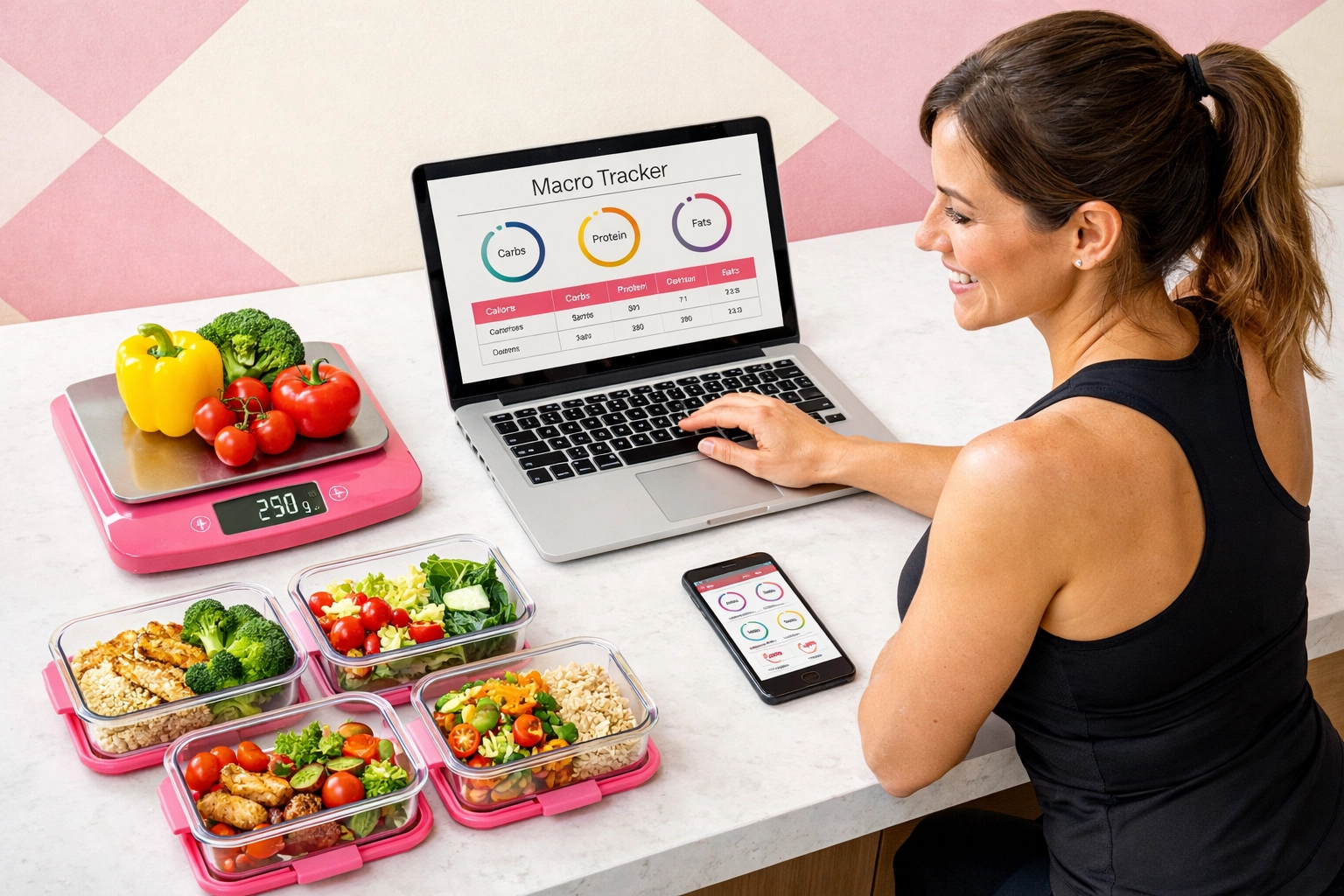
Invest in a digital food scale like this highly-rated one that makes measuring portions quick and accurate. It’s honestly the only way to truly know what you’re eating, especially with calorie-dense foods like nut butters, oils, and cheese.
Meal prep is your best friend. When you batch-cook proteins, chop vegetables, and portion meals into glass meal prep containers, you only need to track once and then repeat. This cuts your daily tracking time to just a few minutes!
Use a tracking app that has a barcode scanner and remembers your frequent foods. Most apps let you save full meals too, so your go-to breakfast or post-workout snack is just one click away.
Give yourself grace on weekends. If tracking every single meal at social events feels stressful, estimate to the best of your ability and get back to precise tracking the next day. Consistency over perfection wins every time.
Remember, macro tracking is a tool for awareness, not a prison sentence. The goal is to learn what balanced eating looks like for your body and goals, not to live with a calculator in your hand forever.
The Spaghetti Squash Phenomenon
Now for the question everyone’s been asking. Why on earth is “spaghetti squash macros” the top-trending food search alongside macros right now? 🍝
The answer is beautifully simple. Spaghetti squash has become the ultimate macro-friendly hero food because it delivers huge visual portions with minimal calories and carbs, leaving plenty of room in your daily targets for the foods you actually crave.
One cup of cooked spaghetti squash contains approximately 10 grams of carbs, 1 gram of protein, and virtually no fat. Compare that to regular pasta at around 43 grams of carbs per cup, and you can see why macro trackers are obsessed!
But here’s the thing. Spaghetti squash isn’t about deprivation or replacing everything you love. It’s about flexibility. Maybe you use spaghetti squash as your base for a protein-packed bolognese on busy weeknights, then save your carb budget for pizza with friends on Friday. That’s the beauty of macro tracking. You get to choose!
Quick Macro-Friendly Spaghetti Squash Bowl
Grab a vegetable spiralizer if you want to get creative with veggie noodles, but for classic spaghetti squash, here’s the easiest method:
Cut your squash in half lengthwise and scoop out the seeds. Place cut-side down on a baking sheet and roast at 400°F for 35 to 40 minutes until tender. Let it cool slightly, then use a fork to scrape out those gorgeous spaghetti-like strands.
Top with your choice of protein, whether that’s ground turkey, grilled chicken, or even plant-based crumbles. Add marinara sauce, load up on vegetables, and finish with a sprinkle of parmesan. Track it all in your app, and boom! You’ve got a satisfying, macro-friendly meal that proves healthy eating doesn’t have to be boring.
The spaghetti squash trend represents something bigger than one vegetable. It shows that people are getting creative with their macro targets, finding swaps and strategies that work for their lifestyle rather than following rigid meal plans that make them miserable.
Tools For Success
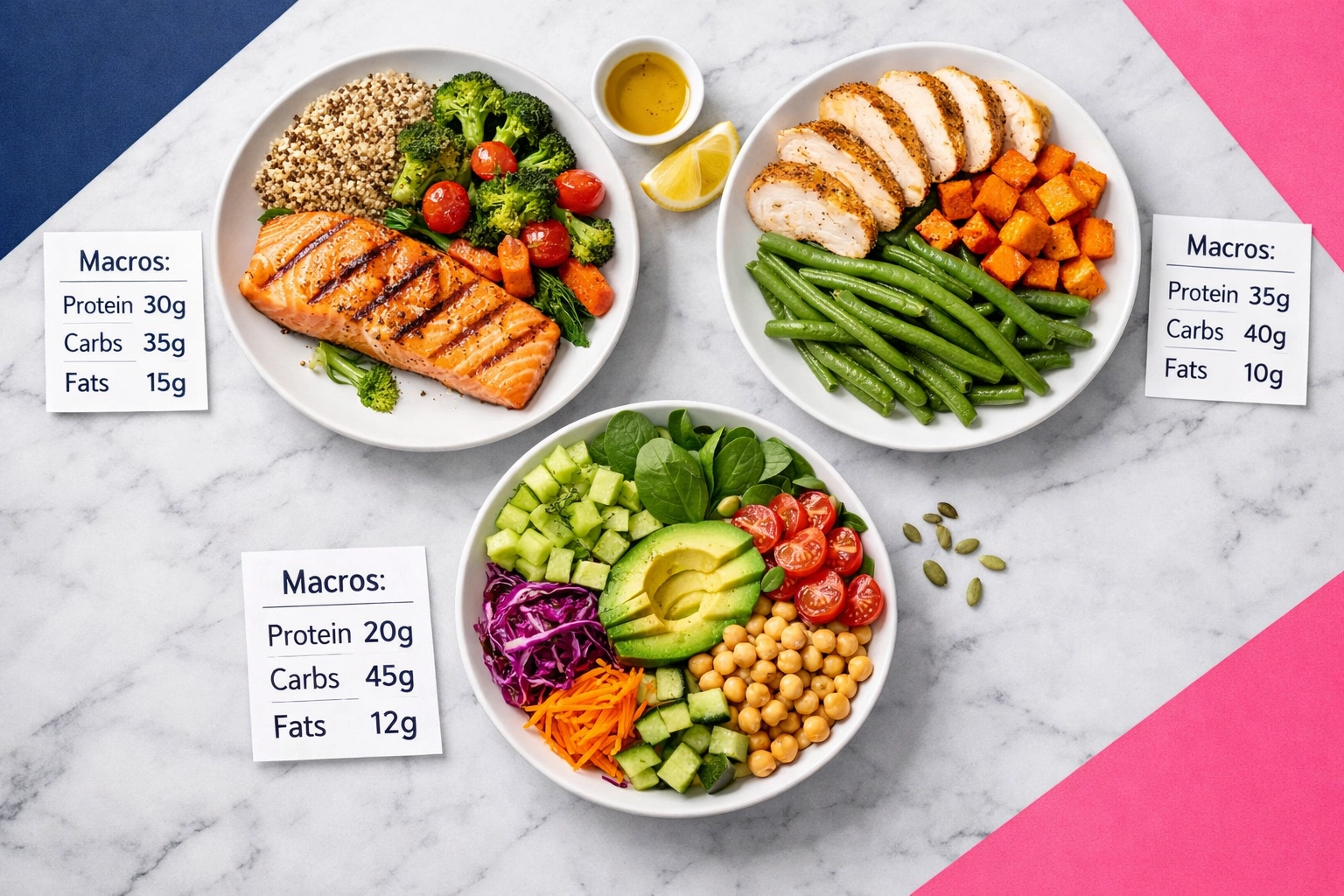
You don’t need a ton of fancy equipment to track macros successfully, but a few key tools can make the process so much easier! 🛠️
We’ve already mentioned the digital food scale, which honestly transforms your accuracy overnight. No more guessing if that’s really two tablespoons of peanut butter!
Glass meal prep containers are clutch for staying organized. When your fridge is full of pre-portioned meals with known macros, you’re way less likely to grab something random and throw off your numbers.
If you love the ritual of writing things down, a macro tracking journal gives you a tangible place to plan meals, reflect on how different foods make you feel, and track your progress over time. Some people find the act of hand-writing their intake creates more mindfulness than typing into an app.
And don’t forget about reliable tracking apps. Most of them are free and take the math completely off your plate. They calculate totals, show you visual breakdowns of your macro balance, and help you spot patterns over time.
But here’s the most important tool. Support and accountability. Macro tracking gets easier when you have guidance, especially in the beginning when everything feels new and confusing. That’s where personalized coaching comes in.
If you’re feeling overwhelmed by all the calculators, conflicting advice, and trial-and-error of finding your perfect macro split, one-on-one coaching can save you months of frustration. A coach helps you dial in your specific numbers, troubleshoot plateaus, and adjust your approach as your body and goals change. Sometimes that expert guidance is exactly what transforms macro tracking from a stressful experiment into a sustainable lifestyle! 💪
The Bottom Line On Macro Tracking
The explosion in “track macros” searches isn’t random. It represents a collective shift toward smarter, more balanced nutrition that actually sticks.
While a calorie deficit remains the foundation of weight loss, macro tracking gives you the framework to build sustainable habits, maintain energy, preserve muscle, and actually enjoy your food. It teaches you to think about nutrition as fuel and information rather than just restriction and willpower.
The beauty of tracking macros? You’re not cutting out entire food groups or surviving on chicken and broccoli forever. You’re learning to balance your plate in a way that supports your goals while keeping you satisfied and energized for life.
Whether you’re team spaghetti squash or team regular pasta, the power is in your hands to make informed choices that work for your body, your lifestyle, and your sanity. And that’s something worth tracking! ✨