
The federal government just dropped some major news that could completely transform your next Chipotle bowl order! 🥗 The new Dietary Guidelines for Americans 2025-2030, released this week, are shaking things up in ways that could make your favorite fast-casual spots even better aligned with optimal nutrition.
If you’re a busy woman trying to fuel your family with healthy choices while juggling work, kids, and everything in between, these updated recommendations might actually make your life easier. Let’s break down what’s changing and how you can use this information to make smarter choices at restaurants like Chipotle, Sweetgreen, and other fast-casual favorites.
The Protein Revolution: More Is Actually More
Here’s the biggest game-changer. The new guidelines are telling us to eat significantly more protein than we’ve been advised for decades. We’re talking about 1.2 to 1.6 grams per kilogram of body weight daily, compared to the old recommendation of just 0.8 grams per kilogram.
What does this mean in real terms? If you weigh 140 pounds (about 64 kilograms), you should be aiming for 77-102 grams of protein daily instead of the previous recommendation of just 51 grams. That’s a substantial increase!
The guidelines specifically urge Americans to “prioritize protein at every meal.” This isn’t just about building muscle or supporting your fitness goals anymore. It’s about overall health, metabolism, and helping you feel satisfied and energized throughout your busy days.
How This Changes Your Restaurant Game Plan
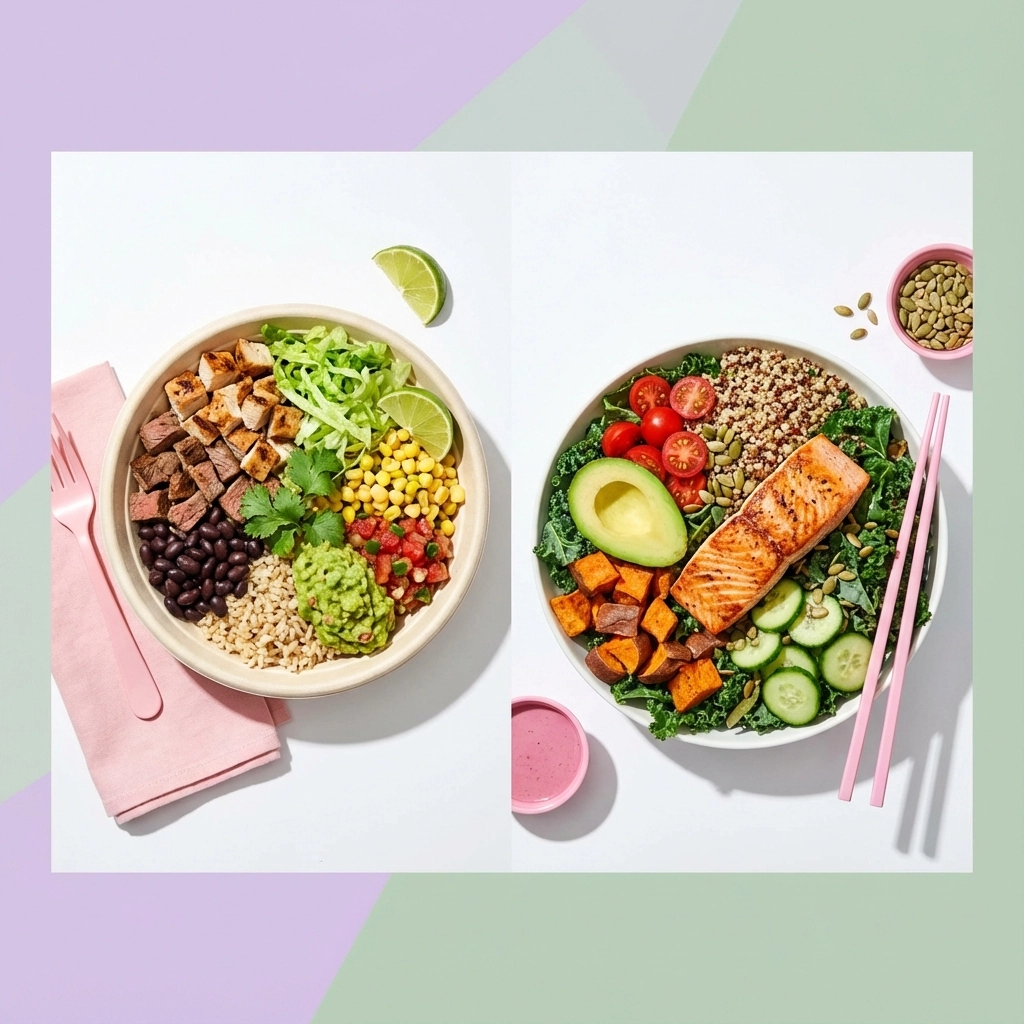
This protein focus could revolutionize how you approach ordering at your favorite spots. Instead of feeling guilty about that double protein bowl at Chipotle, you might actually need it to meet these new recommendations!
At Chipotle, this means:
- Those double chicken or steak bowls aren’t indulgent anymore: they’re strategic
- Adding both beans and meat gives you a protein powerhouse combination
- Don’t skip the cheese and sour cream if you’re trying to hit higher protein targets
At Sweetgreen, consider:
- Opting for the highest protein salad options
- Adding extra protein sources when customizing your order
- Choosing full-fat dressings and toppings that also contribute protein
The guidelines also promote red meat options, which might surprise you given previous advice to limit red meat consumption. This means that steak option at Chipotle? It’s officially getting the green light from federal nutrition experts.
The Whole Foods Focus: What You’re Already Doing Right
Here’s where restaurants like Chipotle and Sweetgreen are already winning. The new guidelines emphasize eating “real food” and limiting highly processed items, added sugars, and refined carbohydrates. This aligns perfectly with what these fast-casual spots have been promoting all along.
The guidelines encourage:
- Choosing whole grain options (hello, brown rice!)
- Loading up on vegetables and fruits
- Selecting healthy fats from whole food sources like avocado, nuts, and seeds
If you’ve been gravitating toward these fresher, less processed options, you’re already ahead of the curve. The new guidelines are essentially validating what many health-conscious consumers have been doing instinctively.
Full-Fat Is Back: Rethinking Your Add-Ons
Another significant shift is the promotion of full-fat dairy products. This means you can stop requesting light cheese or skipping the sour cream entirely. The guidelines suggest that full-fat options may actually be beneficial for overall health and satiety.
This is particularly helpful for busy families. Full-fat dairy products tend to keep everyone feeling satisfied longer, which means fewer between-meal snacks and more stable energy levels for kids and adults alike.
Practical Takeaways for Your Next Order
Ready to put these guidelines into action? Here’s how to translate federal nutrition recommendations into real-world restaurant choices:
Start with protein as your base decision. Instead of thinking “salad or bowl,” think “how can I get 25-30 grams of protein in this meal?” This might mean doubling up on protein sources or choosing the heartiest options available.
Embrace the full-fat mindset. Don’t automatically request light or reduced-fat versions of dairy products. Regular cheese, full-fat Greek yogurt, and whole milk options can help you feel more satisfied and may align better with the new recommendations.
Prioritize whole foods. Choose brown rice over white, load up on vegetables, and opt for minimally processed sides and add-ons. This isn’t new advice, but the guidelines reinforce its importance.
Rethink your portions. If the protein recommendations have increased significantly, your overall meal composition might need adjusting. This could mean larger portions of protein-rich foods and potentially smaller portions of refined carbohydrates.
Navigating the Controversy: What Experts Are Saying
It’s worth noting that not all nutrition experts are thrilled with every aspect of these new guidelines. Some researchers have pointed out apparent contradictions, particularly around promoting red meat and full-fat dairy while simultaneously recommending that saturated fat be limited to 10% of daily calories.
The American Heart Association has suggested prioritizing “plant-based proteins, seafood and lean meats” instead of emphasizing red meat. This means you might want to rotate your protein choices rather than defaulting to steak every time.
The key is balance and variety. These guidelines provide a framework, but your individual health needs, preferences, and goals should also factor into your decisions.
Making It Work for Real Life
As someone juggling a million things, you need nutrition advice that actually fits into your lifestyle. These new guidelines might actually make eating well more straightforward in some ways.
For busy mornings: Knowing you need more protein at every meal can simplify breakfast decisions. That protein-packed breakfast bowl or smoothie isn’t just trendy: it’s federally recommended.
For family dinners: The emphasis on whole foods and adequate protein can guide your meal planning without requiring complicated calculations or restrictions.
For dining out: You have more flexibility to choose satisfying, protein-rich options without guilt. This can make social eating and family restaurant trips more enjoyable and less stressful.
Your Action Plan Moving Forward
The beauty of these guidelines is that they align well with what many quality fast-casual restaurants are already offering. You don’t need to completely overhaul your eating habits or avoid your favorite spots.
Instead, use this information to make more intentional choices. When you’re at Chipotle, Sweetgreen, or similar restaurants, think protein first, embrace whole foods, and don’t be afraid of full-fat options that help you feel satisfied and energized.
Remember, these guidelines are meant to support your overall health and energy levels. They should make eating well easier, not more complicated. If you’re finding yourself getting bogged down in the details, step back and focus on the big picture: more protein, more whole foods, and choices that support your busy, active lifestyle.
The most important takeaway? You now have official backing for making those satisfying, protein-rich restaurant choices that keep you fueled and feeling your best. That double protein bowl might just be exactly what your body needs to thrive in your demanding daily life.
For more practical nutrition guidance that fits your lifestyle, check out our nutrition resources and discover how to make healthy eating work with your busy schedule.